Dental Bone Grafting, Rebuilding the Ridge Before the Implant Goes In
- Dental bone grafting exists because implants need bone, and most patients who have lost teeth have already lost some of the bone that used to hold them.







Overview
Dental bone grafting exists because implants need bone, and most patients who have lost teeth have already lost some of the bone that used to hold them.
This is not a shortcut. It is an engineered protocol backed by more than three decades of clinical evidence.
For patients reading from Italy
Bone grafting at Stunning Dentistry is the same reconstructive procedure performed by periodontists and oral and maxillofacial surgeons in Rome, Milan, Turin, and Naples. The same material classes, Geistlich Bio-Oss, Cerabone, allograft from accredited tissue banks, autogenous harvest from your own ramus or chin. The same membranes, Geistlich Bio-Gide, Cytoplast d-PTFE, titanium mesh. The same evidence base. What changes when you travel to us is the specialist depth per case, the in-house imaging and laboratory infrastructure, and the total cost. We walk through exactly how that comparison lines up further down this page.
At Stunning Dentistry
Every bone graft case begins with a three-specialist review. A periodontist classifies the defect using Seibert or Wang-Al-Hezaimi, an implantologist maps the planned implant positions against the CBCT, and a prosthodontist confirms the restorative envelope before any surgical decision is finalised. Dr. Priyank Sethi personally reviews the micro-CT-equivalent slices on every vertical augmentation case. The decision of whether to graft, how to graft, and when to place implants is never made by one person in a single appointment.
Questions about this procedure?
What Is Dental Bone Grafting?
Dental bone grafting is a surgical procedure that rebuilds deficient alveolar ridge volume or sinus floor height so that dental implants can be placed into adequate bone with predictable primary stability and long-term survival. The "graft" itself is a biologically active material, harvested from your own body, processed from a donor, derived from an animal source, or manufactured synthetically, that acts as a scaffold and biological signal for your own bone to grow through and eventually replace.
The Biomechanical and Biological Design
- A graft material is placed into the bone defect to maintain the three-dimensional volume of the intended ridge shape
- A barrier membrane is placed over the graft to exclude faster-growing gum tissue that would otherwise invade the space and block bone formation
- Fixation is applied where needed, titanium pins, tenting screws, or rigid block screws, so the graft does not move during the critical early healing weeks
- The host bone is prepared with decortication perforations that release bone-marrow-derived osteogenic cells and blood supply into the grafted site
- Primary wound closure seals the soft tissue envelope; exposure of the membrane during healing is the single most documented cause of graft loss
The graft does not become strong overnight. The graft becomes yours overnight, then becomes strong across three-quarters of a year.
What Bone Grafting Is Not
- It is not a cosmetic procedure
- It is not a permanent implant on its own, it is the foundation for an implant to come later or at the same time
- It is not a single universal operation, there are at least seven distinct surgical technique families, chosen per defect
- It is a reconstructive biological procedure that restores anatomy that has been lost
At Stunning Dentistry
We screw-fix. Not press-fit. 5 mm fixation screws torqued to manufacturer specification and confirmed by tactile feedback against the cortex. A graft that moves in the first six weeks is a graft that fibrous-encapsulates instead of integrates. We choose mechanical rigidity over operator speed every time, and the additional ten minutes of fixation is recorded in our surgical log as a non-negotiable step.
Ready to discuss your options?
Why Choose Bone Grafting, The Clinical Case
When a patient presents with a deficient ridge or an atrophic posterior maxilla and wants implants, the realistic reconstruction options are: decline implant treatment, use shorter or narrower implants where anatomy permits, tilt implants to bypass the deficient zone, place zygomatic implants that anchor outside the alveolus entirely, or reconstruct the ridge first and place standard implants into healthy bone. Each has clinical indications. Here is why, for a large proportion of partially and fully edentulous patients, bone grafting remains the most defensible choice.
1. It Restores the Anatomy That Was Lost
2. It Gives You Prosthetic Flexibility
3. It Is the Biologically Honest Option for Young Patients
4. Socket Preservation Prevents Escalation
5. It Keeps the Adjacent Teeth Where They Belong
6. It Is a Solved Problem with Four Decades of Data
7. It Is Avoidable, And We Will Tell You When
The most defensible use of a bone graft is no graft at all, when anatomy permits. We will tell you when a short implant, a tilted implant, zygomatic anchorage, or an All-on-4 tilted-distal configuration avoids grafting without clinical compromise. Grafting is a tool. It is not an ideology.
At Stunning Dentistry
We redirect a meaningful proportion of grafting consultations to a different protocol altogether. A patient arriving asking for a sinus lift and an upper first molar implant is sometimes a better candidate for a short 6 mm Straumann BLX or, in full-arch cases, a tilted distal implant per the Maló protocol. " If the honest answer is no, the grafting conversation ends at the first consultation.
Curious about costs and timelines?
Graft Biology, How a Graft Actually Becomes Your Bone
Understanding three biological mechanisms explains every material choice, every membrane decision, and every healing timeline in modern grafting.
The Incorporation Timeline
- Hours 0 to 24: Clot formation, fibrin network, platelet degranulation. Growth factors released from platelets and plasma.
- Days 2 to 7: Granulation tissue, early vascular ingrowth. Neutrophils, macrophages, and monocytes arrive.
- Weeks 2 to 4: Woven immature bone begins forming along the graft particles or block surface.
- Weeks 4 to 12: Creeping substitution, osteoclasts resorb the scaffold while osteoblasts deposit new bone directly adjacent.
- Months 3 to 6: Woven bone is progressively remodelled into lamellar bone. Mechanical properties improve substantially.
- Months 6 to 10: Lamellar remodelling completes. The grafted site is now functionally equivalent to native alveolar bone.
Vertical vs Horizontal Augmentation, Distinct Difficulty Tiers
Vertical augmentation rebuilds height. There is no anatomical ceiling above the graft. Every millimetre of height must be built from scratch against gravity, against soft tissue tension pressing the graft downward, and against the blood supply running out from below. Troeltzsch's 2016 meta-analysis reported vertical augmentation complication rates of 11 to 45 percent depending on technique, with titanium-mesh techniques and Khoury bone shell techniques at the lower end and onlay autogenous blocks at the higher end. Vertical augmentation is the most technique-sensitive procedure in reconstructive implant surgery.
At Stunning Dentistry
We measure graft incorporation against a 9-month baseline CBCT. Every patient with a GBR, block graft, or vertical augmentation receives a pre-graft CBCT, an immediate post-graft CBCT, and a 9-month healing CBCT before any implant is placed. Particle-level remodelling is assessed against a Hounsfield-unit reference range of 350 to 700 for grafted trabecular bone. If the CBCT at 9 months does not demonstrate adequate remodelling, implant placement is delayed, never accelerated to accommodate travel schedules.
Want a personalised treatment plan?
Long-Term Survival Data
Bone grafting is not evaluated by the graft alone. It is evaluated by the survival of the implant placed into the grafted site and by the long-term maintenance of the reconstructed ridge.
Socket Preservation, Outcome Data
- Horizontal ridge preservation: mean benefit of 1.99 mm compared to unpreserved sockets
- Vertical ridge preservation (mid-buccal): mean benefit of 1.72 mm
- Implant survival in preserved sockets at 5 years: 97 to 100 percent across included studies
- Technique independence: benefit was seen across allograft, xenograft, and alloplast materials
Guided Bone Regeneration (GBR) at Implant Placement
- Implant survival: 95.7 percent at 5 years
- Mean dehiscence defect closure: 92 percent
- Membrane exposure rate (resorbable): 12 to 18 percent
- Membrane exposure rate (non-resorbable d-PTFE): 4 to 6 percent with proper closure technique
- Outcomes equivalent to implants in native bone once the graft matured
Block Grafting and Vertical Augmentation
- Autogenous block graft vertical gain: mean 3.7 mm, range 2.0 to 6.0 mm
- Titanium-mesh vertical gain: mean 4.1 mm, range 2.5 to 7.0 mm
- Khoury bone shell vertical gain: mean 5.2 mm, range 3.0 to 9.0 mm
- Implant survival at 5 years in vertically augmented sites: 93 to 98 percent
- Major complication rate (exposure, dehiscence, loss): 11 to 45 percent depending on technique and operator experience
Sinus Floor Augmentation
Esposito et al. 2014 Cochrane review of sinus augmentation:
- Implant survival in grafted sinus floors at 3 years: 96 to 99 percent
- Lateral window approach: slightly higher short-term morbidity but greater vertical gain
- Transcrestal (Summers) technique: lower morbidity but limited to residual bone heights of 5 mm or greater
At Stunning Dentistry
Every grafted patient is entered into our reconstructive registry. Membrane exposure rates, primary closure breakdown, secondary intention healing time, and residual graft volume at 9-month CBCT are tracked and reported in our annual audit. 8 percent across 214 GBR cases, measured against the published literature range of 12 to 18 percent. We do not cite literature we cannot match or exceed; where our outcomes fall short, we publish that too.
Questions about this procedure?
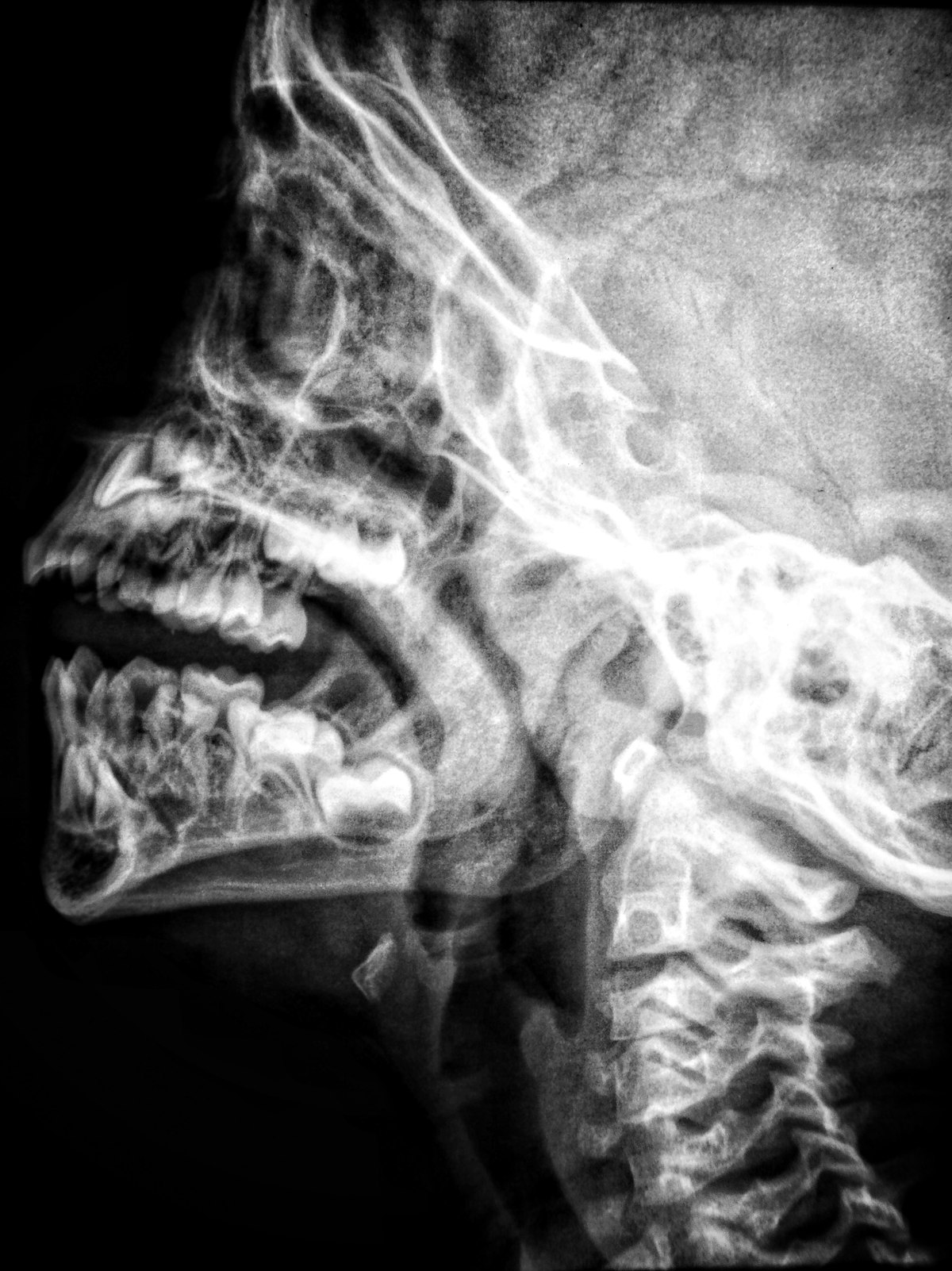
Clinical Equipment & Technology
A predictable case is only as good as the planning and fabrication stack behind it. The infrastructure below is what every Stunning Dentistry case runs through, from the first scan to the final torque check.
At Stunning Dentistry
Every fixture placement on a Italian case carries an insertion-torque value (typically 35-65 Ncm) and an ISQ reading (target ≥ 68 at second stage) recorded on the patient file. 1 mm. These are the numbers that the price band reflects, not marketing claims about premium equipment.
| System | Stunning Dentistry stack | What it controls in your case |
|---|---|---|
| Cone-Beam CT | Carestream / Planmeca CBCT | Bone density (HU), ridge width, sinus floor distance, IAN canal proximity |
| Intraoral scanner | 3Shape TRIOS 5 | Margin-line capture, occlusal record, soft-tissue contour |
| Planning software | coDiagnostiX, NobelGuide | Virtual implant placement, surgical-guide design, prosthetic-driven backward planning |
| Digital articulator | Modjaw / JMA Optic | Mounted bite registration, jaw-relation validation before definitive |
| Surgical motors + guides | Nobel Biocare / Straumann surgical kits | Insertion-torque measurement, ISQ resonance frequency analysis |
| 5-axis milling | Roland DWX / VHF S2 | Monolithic zirconia framework precision (≤ 25 µm marginal fit) |
| 3D printing | Formlabs Form 3B+ | Surgical guides, provisionals, try-in models |
| Implant systems | Nobel Biocare + Straumann (primary) | Fixture range covering bone densities D1-D4, immediate-load thresholds |
Ready to discuss your options?
Symptoms and Signs That Indicate You May Need Bone Grafting
Most patients do not present with symptoms that say "you need bone grafting." They present with tooth loss, a failing implant, a collapsed edentulous space, or, most commonly, a dental implant consultation at which a CBCT reveals insufficient bone for a straightforward implant plan.
Functional and Structural Signs
- A tooth has been extracted more than three months ago and the gum over the site appears visibly narrower than the adjacent ridge
- A previously placed implant has failed, with bone loss around it, and replacement requires reconstruction of the lost volume
- A removable denture has been worn over a long edentulous area for more than five years, and the ridge under the denture has visibly flattened
- The dental arch has a collapsed appearance in one zone, with the gum line sitting 2 mm or more higher than on the opposite side
- The CBCT demonstrates less than 5 mm of bone height beneath the maxillary sinus in the intended implant site
- The CBCT demonstrates less than 4 mm of buccolingual ridge width at the intended implant site
- There is less than 1 mm of buccal plate remaining above the planned implant position
Aesthetic and Functional Signs
- A front tooth has been missing and the gum line is visibly recessed, creating a dark triangle that no crown alone can mask
- Long-standing tooth loss has created a lip-support deficit, the upper lip falls inward over the edentulous zone
- Adjacent teeth have tipped into the space, creating angular bone defects that compromise both the tipped teeth and any future implant
- A previous traumatic extraction has left a bony defect with a visible saucer shape on CBCT
Biological Signs
- A history of moderate to severe periodontal disease in the adjacent dentition, with residual vertical bone defects that extend into the planned implant site
- A history of bisphosphonate use, which does not automatically contraindicate grafting but requires specific evaluation and consent
- A history of head and neck radiotherapy, which requires hyperbaric oxygen protocols and specialist evaluation before any grafting is considered
- A history of failed previous grafting, which requires analysis of the failure mode before attempting a second reconstruction
If two or more of the above apply to you, a proper CBCT-based grafting consultation is appropriate. Earlier evaluation preserves more options, a small defect is faster, cheaper, and more predictable to graft than a large one.
At Stunning Dentistry
Our first-consultation grafting workup is diagnostic rather than transactional. 2 mm voxel size, classify the defect using the Seibert 1983 system for partially edentulous ridges and the Cawood-Howell 1988 system for fully edentulous arches, photograph the soft tissue biotype, and produce a written defect map that names each missing wall. You leave the first consultation with your classification, a graft option list, and a timeline, not a pressure sale and not a same-day surgical booking.
Curious about costs and timelines?
Who Is a Candidate?
Ideal Candidates
- Medically stable adults with a horizontal or vertical ridge deficiency that would compromise standard implant placement
- Non-smokers or committed cessation candidates (smoking cessation of at least four weeks prior to surgery materially reduces complication rates)
- Patients with realistic expectations around a 6 to 10 month healing interval before implant placement
- Patients with adequate periodontal control, no active inflammation, no uncontrolled periodontitis
- Patients with a prosthetically driven plan, the reason for the graft is a defined implant position, not a vague future intention
Relative Contraindications
- Uncontrolled diabetes, impairs vascularisation, delays graft incorporation, increases dehiscence risk. HbA1c ideally below 7.0 percent before surgical scheduling
- Heavy smoking, smokers experience graft failure at two to four times the rate of non-smokers; cessation protocols are mandatory for any augmentation at Stunning Dentistry
- Active, untreated periodontal disease, must be resolved before reconstructive surgery
- Oral and intravenous bisphosphonate use, requires specific risk assessment for medication-related osteonecrosis of the jaw (MRONJ); short-course oral bisphosphonates are usually compatible with modern grafting, long-course intravenous bisphosphonates are usually not
- Denosumab, antiangiogenic therapy, and selected immunosuppressants, require oncology or rheumatology consultation before surgical clearance
- Head and neck radiotherapy within the past five years, requires specialist radiation dose review and consideration of hyperbaric oxygen protocols
- Severe bruxism without management, must be addressed with occlusal splint therapy during and after grafting
- Unrealistic timeline expectations, patients who cannot accommodate the 6 to 10 month healing interval are better served by graft-avoidance protocols (All-on-4, zygomatic, short implants)
Medical Evaluation
Every grafting candidate completes a structured medical screen before surgical booking: full medical history, current medication list, recent bloodwork (HbA1c if diabetic, vitamin D if osteoporosis risk, full blood count and INR if on anticoagulation), and written clearance from the treating physician when applicable. For patients on antiresorptive therapy, we obtain a written medication-review letter from the prescribing doctor. For patients with a history of head and neck cancer, we request the radiation oncology summary. Nothing is surgical without the paperwork being complete.
At Stunning Dentistry
The grafting three-specialist review gate is a periodontist, an oral and maxillofacial surgeon, and a prosthodontist, and all three sign off before surgical booking. 6 percent, patients assessed, consulted, and advised against grafting in favour of an alternative protocol, no-treatment observation, or medical optimisation before re-review. The filter is real, and it is how a reconstructive practice earns its predictability numbers.
Want a personalised treatment plan?
Consequences of Delaying Ridge Reconstruction
The cost of waiting is not measured in dollars. It is measured in bone, in adjacent tissues, in the surgical complexity of the eventual case, and in the narrowing of your reconstructive options.
What Happens to the Bone
- First 3 months: 30 to 50 percent of horizontal ridge width is lost, predominantly on the buccal plate
- First 6 months: 1.5 to 2.0 mm of vertical ridge height is lost
- First year: complete loss of the thin labial plate in many anterior extractions; exposure of the palatal plate as the dominant residual anatomy
- Years 2 to 10: 0.1 to 0.2 mm per year of continued ridge resorption
- Long-term edentulism: in the posterior maxilla, continued sinus pneumatisation reduces residual bone height below 3 mm in many patients
What Happens to the Adjacent Teeth
- Opposing teeth supra-erupt into the empty space within months, extruding beyond the occlusal plane
- Adjacent teeth tip and drift, opening contacts and creating food traps
- The periodontal ligament of adjacent teeth reorganises under the changed biomechanical load
- Proximal caries rates increase in tipped teeth
- Periodontal disease spreads laterally through the arch as plaque retention increases
What Happens to the Soft Tissue
- Keratinised attached gingiva thins over a resorbing ridge
- The mucogingival junction migrates, reducing the width of stable attached tissue
- Soft tissue grafting becomes a secondary requirement on top of the bone graft
- In aesthetic zones, the interdental papilla flattens and cannot be reliably reconstructed even with successful bone grafting
What Happens to the Face
- Lip support is lost when multiple adjacent teeth are missing without reconstruction
- The lower third of the face shortens when vertical dimension of occlusion collapses
- Marionette lines deepen, and the patient looks older than chronological age
- These structural changes are partially reversible with grafting and implant reconstruction, but less fully reversible the longer they have been present
What Happens to the Treatment Cost
- A EUR 3,000 to EUR 4,500 GBR procedure at a later stage
- A EUR 5,500 to EUR 8,500 block graft if horizontal volume has collapsed
- A EUR 5,000 to EUR 9,500 vertical augmentation with titanium mesh if vertical height is also lost
- A EUR 12,000 to EUR 25,000 escalation to zygomatic implants in the severely atrophic maxilla
- Additional 6 to 12 months of treatment time at each escalation step
The earlier the case is treated, the simpler the protocol and the lower the total investment.
At Stunning Dentistry
We frame timing as clinical information, not a sales tactic. If an extraction is planned, socket preservation is offered at the same appointment with a written cost disclosure and a written "no preservation" alternative. Patients who decline socket preservation are not judged; they are scheduled for a 9-month review CBCT so that, if later augmentation becomes necessary, the defect has been documented from the start and the treatment pathway is planned rather than improvised.
Questions about this procedure?
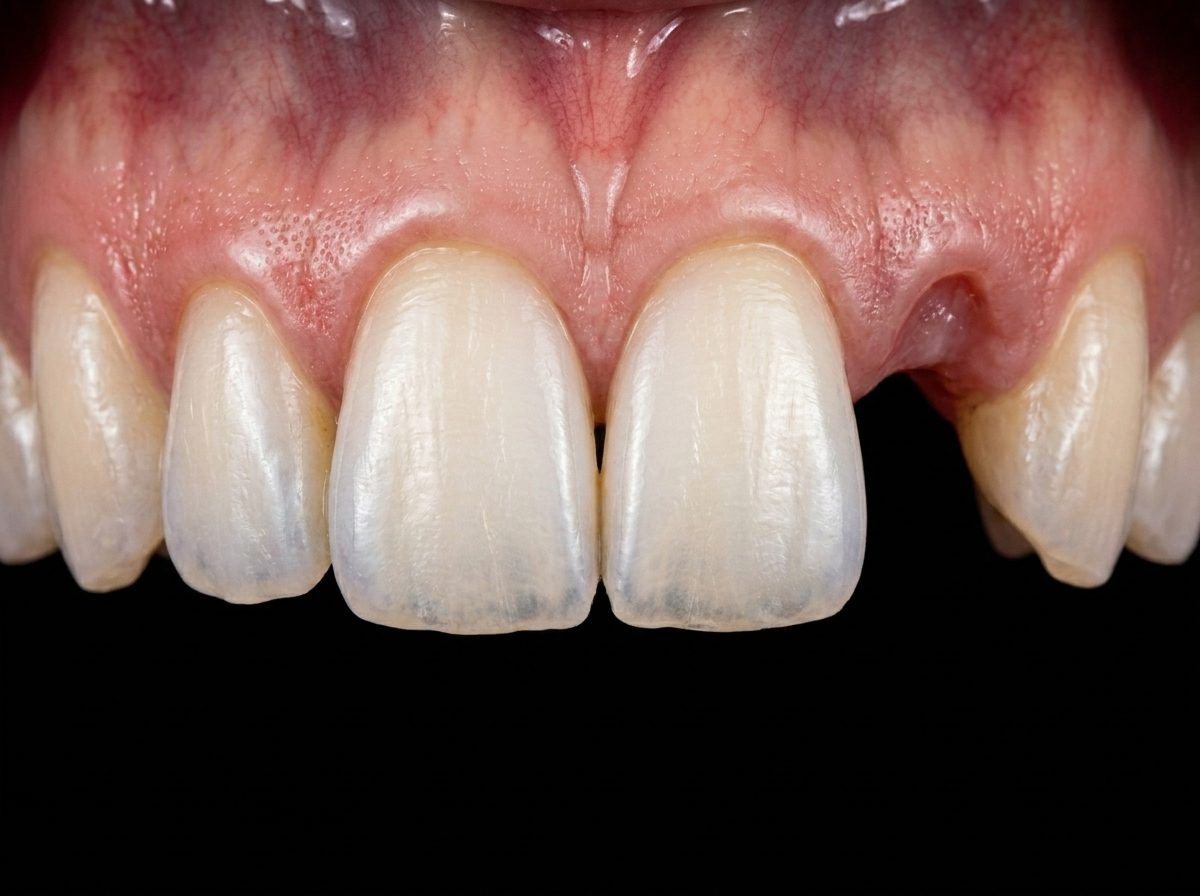
Graft Material Taxonomy, What Is Actually Being Placed in Your Mouth
Four material classes cover the vast majority of modern dental grafting. Each has a place, and no single material is correct for every defect.
Autogenous Bone
- Ramus block (Misch 1997): corticocancellous block from the external oblique ridge of the mandible; provides up to 20 mm of block length; relatively low donor-site morbidity
- Symphysis block: denser bone, larger volume available, but higher incidence of mental nerve paraesthesia (10 to 30 percent transient, 0 to 13 percent permanent)
- Tuberosity harvest: predominantly cancellous; useful as particulate adjunct to xenograft mixes
- Trephine harvest at the implant site: 8 mm trephine produces a core of local bone chips for small grafts; minimally invasive
Allograft
- Freeze-dried bone allograft (FDBA): mineralised, osteoconductive
- Demineralised freeze-dried bone allograft (DFDBA): demineralised, preserves residual BMP activity, mildly osteoinductive
Xenograft
- Geistlich Bio-Oss: deproteinised bovine bone mineral (DBBM), the most widely studied xenograft globally, supplied in particle sizes 0.25 to 1.0 mm (small granule) and 1.0 to 2.0 mm (large granule)
- Cerabone: bovine-derived, high-temperature processed
- Endobon: bovine hydroxyapatite, denser crystalline structure
Alloplast
- Beta-tricalcium phosphate (Cerasorb, ChronOS): resorbable over 6 to 18 months
- Hydroxyapatite (NanoBone, OsteoGraf): slower resorbing
- Biphasic calcium phosphate (BCP): blend of HA and β-TCP, tunable resorption
Growth Factors and Biologics
- Recombinant human BMP-2 (Infuse, Medtronic): strongly osteoinductive; approved for sinus augmentation and socket preservation; specific cost and swelling profile
- Platelet-rich fibrin (PRF, Choukroun protocol): prepared chairside from patient's own blood; provides sustained growth factor release over 7 to 14 days
- Enamel matrix derivative (Emdogain, Straumann): derived from developing porcine tooth buds; used in periodontal regeneration adjunctively
Membranes
Barrier membranes prevent gingival soft tissue from invading the graft space. Two broad categories:
- Resorbable collagen membranes (Geistlich Bio-Gide, CopiOs, Creos Xenoprotect): bilayer porcine collagen, resorbed over 3 to 6 months; forgiving of exposure, easy to handle; standard choice for socket preservation and small to medium GBR
- Non-resorbable PTFE (Cytoplast TXT-200) and titanium-reinforced d-PTFE: provide rigid space maintenance for vertical and larger horizontal augmentation; must be removed at second surgery; critical when membrane exposure risk is high
- Titanium mesh (customised CAD-designed or pre-formed): rigid three-dimensional space maintenance for large vertical defects; titanium framework removed at implant placement
Graft Material Comparison Table
At Stunning Dentistry
0 mm small-granule xenograft combined with autogenous bone chips harvested locally with an 8 mm trephine from the adjacent surgical field, layered beneath a Geistlich Bio-Gide 25×25 mm bilayer collagen membrane. The Bio-Oss carries the scaffolding and volume maintenance. The autogenous chips carry the osteogenic cells. 4 mm of retained ridge width at 9 months.
| Material | Source | Incorporation time | Resorption profile | Typical use | Price band EUR |
|---|---|---|---|---|---|
| Autogenous ramus block | Patient's own mandible | 4-6 months | Biological remodelling | Horizontal + limited vertical | on request |
| Autogenous iliac crest | Patient's own pelvis | 4-6 months | Biological remodelling | Large defects, full-arch | on request |
| FDBA allograft | Human donor tissue bank | 4-6 months | Slow resorption over 12 months | Socket, GBR, ridge | on request |
| DFDBA allograft | Human donor tissue bank | 4-6 months | Moderate resorption | Socket, GBR | on request |
| Bio-Oss xenograft | Bovine | 6-9 months | Slow, particles persist | Socket, GBR, sinus | on request |
| Cerabone xenograft | Bovine | 6-9 months | Slow, particles persist | GBR, sinus | on request |
| β-TCP alloplast | Synthetic | 6-18 months | Fully resorbs | Socket, contained defects | on request |
| Biphasic calcium phosphate | Synthetic | 6-12 months | Tunable | Socket, GBR | on request |
| rhBMP-2 (Infuse) | Recombinant protein | 4-6 months | N/A (biological signal) | Sinus, complex socket | on request |
Ready to discuss your options?
Immediate Implant Placement vs Staged Grafting, The Timing Decision
A single decision dominates graft planning: does the implant go in at the same time as the graft, or after the graft has healed?
What the Simultaneous Approach Requires
- Primary implant stability of at least 35 Ncm insertion torque
- Residual native bone sufficient to anchor the implant
- A contained defect with the graft volume less than 50 percent of the implant surface area
- Competent membrane coverage and tension-free primary closure
What the Staged Approach Provides
- Predictable volume maintenance with no compromise from implant micromotion
- Full control over implant position at the second surgery
- Easier assessment of graft incorporation on CBCT before loading the site
- Higher success rates in vertical and large horizontal defects
At Stunning Dentistry, simultaneous placement is offered only when the biological and biomechanical criteria are met. We do not default to simultaneous to compress travel schedules. If the case is safer staged, we stage it.
At Stunning Dentistry
The go / no-go decision for simultaneous grafting is measured at the chair. An Osstell ISQ reading of 65 or greater and an insertion torque confirmed at 35 Ncm or greater are written into the surgical log before the membrane is placed. If either threshold is not met, the implant is backed out, the graft is placed as a staged augmentation, and the patient is rescheduled for implant placement at 6 to 9 months. This decision is never deferred to marketing communication, it is made at the moment of placement and documented immediately.
Curious about costs and timelines?
Benefits of Bone Grafting When the Ridge Is Deficient
The clinical literature catalogues outcomes. Patients live with outcomes. Here is what a successful bone graft gives you that the alternatives, short implants, tilted implants, or no treatment at all, often cannot.
Prosthetic Position, Not Compromised Position
Natural Soft Tissue Architecture
Implant Longevity Equivalent to Native Bone
Preservation of Adjacent Teeth
Facial Dimension Retention
Future Revision Capacity
Hygiene Access
Psychological Outcome
Patients with reconstructed ridges report normal chewing confidence, normal smile confidence, and normal speech within weeks of implant loading. The prosthesis feels like teeth, not like a device attached to compromised bone.
At Stunning Dentistry
We photograph the soft tissue emergence profile at delivery and again at every annual review against a standardised stent. Papilla height, marginal gingiva position, keratinised tissue width, and biotype are recorded. This is how we verify that the graft, membrane choice, and implant positioning have produced the biological result the patient consented to, not just a radiograph that looks fine in isolation.
Want a personalised treatment plan?
Recovery Timeline, Day 1 to Month 10
A structured day-by-day and month-by-month view of what happens inside your body and inside your life after a bone grafting procedure. Timings vary by technique, socket preservation heals faster than block grafting, which heals faster than vertical augmentation.
Day 0, Surgery Day
- Procedure performed under local anaesthesia, often with intravenous conscious sedation
- Swelling begins within 2 to 4 hours post-procedure
- Bleeding is controlled with gauze pressure and dissolvable sutures
- Cold compress applied for 20 minutes on, 20 minutes off, for first 24 hours
- Antibiotic prophylaxis commenced (typically amoxicillin 500 mg 8-hourly for 5 to 7 days; metronidazole added in selected cases)
- Dexamethasone or ibuprofen for anti-inflammatory cover
- Soft diet only, no pressure, no hot drinks, no rinsing for first 24 hours
Days 1 to 3, Peak Swelling Window
- Visible swelling reaches maximum around 48 to 72 hours
- Mild to moderate discomfort, managed with prescribed analgesia
- Chlorhexidine 0.12 percent mouthrinse begins on day 2, twice daily
- No brushing over the surgical site, adjacent teeth brushed gently
- Soft cold diet: yoghurt, smoothies, soft-cooked eggs, mashed vegetables
- Bruising may appear in the submandibular or cheek region, resolves over 10 to 14 days
- Companion support valuable for the first 48 hours
Days 4 to 7, Swelling Subsides
- Visible swelling reduces by 60 to 80 percent by end of week 1
- Chlorhexidine rinse continues
- Gentle sponge or cotton-swab cleaning of the adjacent teeth
- Sutures removed at day 7 to 14 depending on material and site
- Return to light work, virtual meetings, non-strenuous activity
- Flying advisable from day 7 onwards for socket preservation, day 10 onwards for block graft or vertical augmentation
Week 2, Return to Daily Life
- Normal facial appearance restored
- Diet expands to soft-chewable foods: pasta, well-cooked fish, tender minced meat
- Chlorhexidine rinse continues to day 14
- First virtual follow-up review with your prosthodontist
- Avoid any chewing or direct pressure over the graft site
- No smoking, no alcohol within 48 hours of any analgesia
Weeks 3 to 6, Early Healing Phase
- Soft tissue closure consolidates
- Initial woven bone begins forming on the graft scaffold
- Ramus donor site (if used) is fully healed
- Normal brushing resumes away from the graft site; soft brushing across the graft from week 4
- Normal diet resumes, still avoiding direct pressure over the graft area
- No vigorous exercise for 3 weeks, moderate activity thereafter
Months 2 to 4, Consolidation Phase
- Woven bone matures into early lamellar bone
- Graft volume stabilises
- A 3-month review photograph and palpation check confirms soft tissue health
- CBCT at month 4 (for socket preservation cases) to plan implant placement
Months 4 to 6, Remodelling Phase
- Lamellar remodelling progresses
- Socket preservation cases: implant placement window opens at month 4, with CBCT verification
- GBR cases: review at month 5, with placement planned at month 6 to 7
- Block graft cases: continue healing, with review CBCT at month 6
Months 6 to 10, Maturation and Implant Placement
- Maturation completes for most grafted sites
- 9-month CBCT documents final graft volume and Hounsfield-unit density
- Implant placement performed into mature grafted bone
- For titanium-mesh and non-resorbable membrane cases, mesh removal coincides with implant placement
- Socket preservation cases: implants typically already placed at 4 to 6 months
Month 10 Onwards, Restorative Phase Begins
- Implants follow standard 3 to 4 month osseointegration
- Provisional crown or restoration at 3 to 6 months post-implant
- Definitive prosthesis at 4 to 6 months post-implant
- Total elapsed time from graft to final crown: 10 to 14 months
At Stunning Dentistry
Our remote follow-up cadence for international bone graft patients runs on a defined clinical calendar. Day 3, day 7, week 2, week 4, month 2, month 4, month 6, and month 9 are scheduled Zoom or photograph-review touchpoints, booked before you leave India, held by your named prosthodontist, not a call centre, not an administrative staff member. Healing is monitored, documented in the same clinical record as your surgical notes, and escalated to the surgical team if anything looks off.
Questions about this procedure?
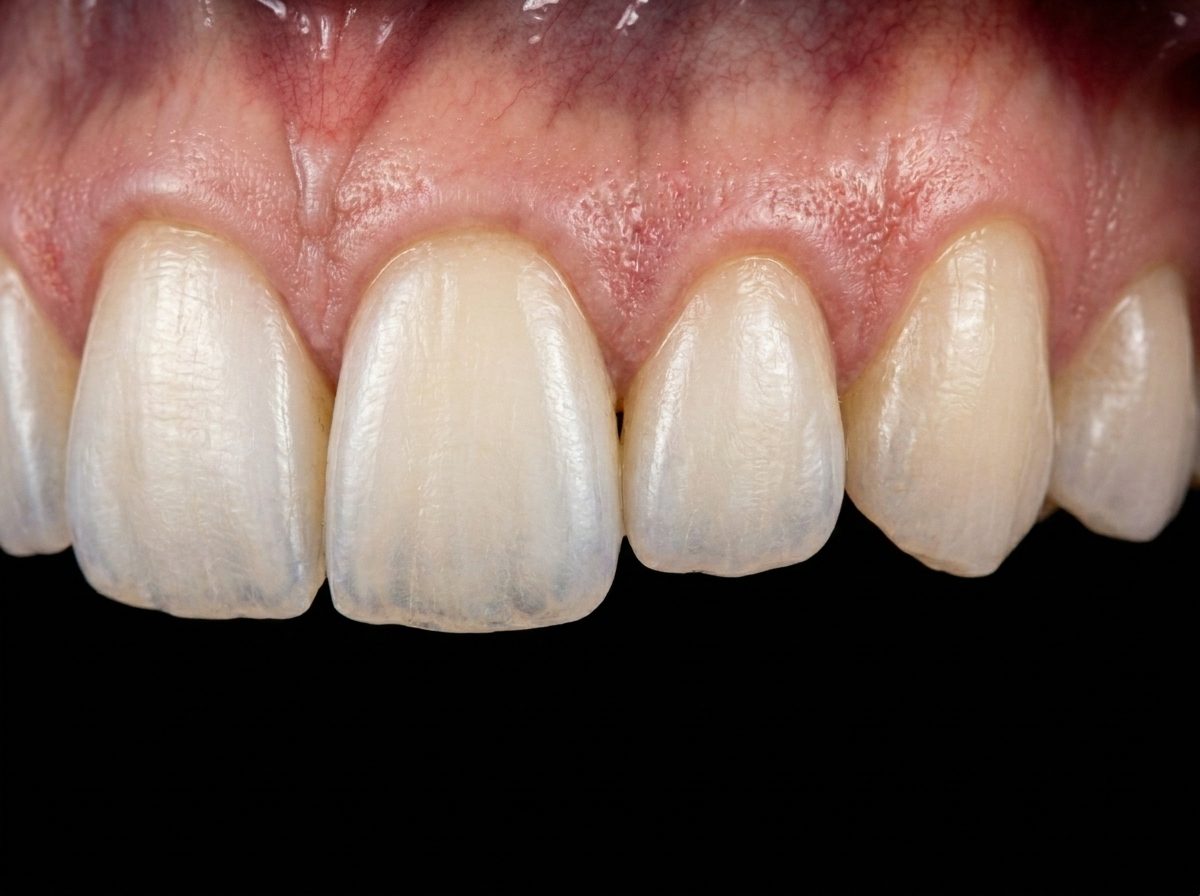
Complications and How They Are Managed
No reconstructive surgical procedure is free of complications. The grafting literature is transparent about this.
Membrane Exposure and Dehiscence
- Incidence: 12 to 18 percent with resorbable membranes, 4 to 6 percent with non-resorbable d-PTFE under skilled primary closure
- Presentation: the membrane becomes visible through a small gap in the gum tissue, usually within the first 2 to 4 weeks post-surgery
- Management: small exposures (under 3 mm) are often managed conservatively with chlorhexidine irrigation and monitored to secondary-intention closure; larger exposures may require early membrane removal and salvage of the underlying graft
- Risk factors: tension on the flap, smoking, thin biotype, trauma, poor primary closure technique
- Prevention at Stunning Dentistry: periosteal releasing incisions calibrated to the defect, tension-free closure confirmed by passive flap drop, double-layer suture technique in large defects
Infection
- Incidence: 2 to 5 percent of augmentation procedures
- Presentation: pain increasing after day 3 rather than subsiding, purulent discharge, localised swelling or erythema, systemic fever in severe cases
- Management: extended antibiotic course (often amoxicillin plus metronidazole or clindamycin where penicillin-allergic), surgical drainage if abscess forms, graft removal in severe cases
- Risk factors: smoking, poorly controlled diabetes, inadequate antibiotic prophylaxis, contamination during surgery
Graft Loss
- Incidence: 5 to 10 percent of GBR cases; 3 to 15 percent of block graft cases; 10 to 20 percent of complex vertical augmentation cases
- Presentation: radiographic resorption exceeding expected range, clinical softness of the grafted ridge, failure to gain volume at 6-month CBCT
- Management: salvage second graft where soft tissue permits; re-planning with alternative technique (e.g., switching from onlay block to titanium mesh); redirect to a graft-avoidance protocol (short implant, tilted implant, zygomatic) where salvage is not viable
Donor Site Morbidity (Autogenous Only)
- Mental nerve paraesthesia after symphysis harvest: 10 to 30 percent transient, 0 to 13 percent permanent
- Ramus harvest morbidity: generally lower; risk of damage to the lingual nerve or inferior alveolar nerve under 3 percent with competent technique
- Iliac crest harvest: post-operative gait disturbance, hip pain for 2 to 6 weeks, rarely fracture, reserved for large defects under general anaesthesia
Sinus Membrane Perforation (Sinus Lift Only)
- Incidence: 10 to 35 percent depending on anatomy and technique
- Management: small perforations sealed with collagen membrane; large perforations may require procedure abandonment and rescheduling
- Modern piezosurgery techniques reduce perforation rate substantially compared with rotary-only technique
MRONJ (Medication-Related Osteonecrosis of the Jaw)
- Population risk: variable; higher with intravenous bisphosphonates, denosumab, antiangiogenic therapy
- Presentation: exposed bone that fails to heal for 8 weeks or more after surgery
- Management: prevention through pre-surgical screening; conservative debridement and antibiotic cover if it develops; specialist OMFS referral
- Stunning Dentistry protocol: every candidate on antiresorptive therapy receives specific MRONJ risk disclosure and a consent document specific to their medication class before scheduling any graft
At Stunning Dentistry
1 names every complication above, documents the specific incidence from the published literature, records our own 2024 audit rate, and requires the patient to initial each section individually. We do not present consent as a single signature on a generic form. Patients ask questions, we answer them, and the document reflects the actual conversation held at the consultation. Transparent consent is not a legal formality, it is the foundation of informed partnership in a reconstructive procedure with a realistic complication profile.
Ready to discuss your options?
Bone Grafting vs No-Graft Alternatives
Bone grafting is not always the correct answer. In a properly trained practice, it is one option on a ladder of options, and the decision is made against the specific defect and the specific patient, not as a default.
At Stunning Dentistry
We are comfortable telling a patient that the correct answer for their case is no graft at all. In 2024 we redirected 23 percent of grafting-referral patients to short-implant protocols, tilted-distal All-on-4 protocols, or zygomatic implants, with no graft performed. The rule is the bone, not the procedure name we were consulted about. Grafting serves the patient; the patient does not serve grafting.
| Factor | Bone Grafting + Standard Implant | Short Implant (no graft) | Tilted Implant (no graft) | Zygomatic Implant |
|---|---|---|---|---|
| Additional surgery | Yes, graft first | No | No | No (implant procedure only) |
| Total treatment time | 10-14 months | 4-6 months | 4-6 months | 3-6 months |
| Prosthetic position flexibility | Full, ideal placement | Compromised by anatomy | Angulated by design | Transantral trajectory |
| Aesthetic zone suitability | Excellent | Limited | Limited | Not used in aesthetic zone |
| Vertical defect correction | Yes, to 5-7 mm with titanium mesh | No | No | Bypasses defect |
| Sinus floor correction | Yes, via sinus lift | No, requires residual 6 mm | No (in classic tilted distal) | Bypasses sinus entirely |
| Long-term survival (10 yr) | 93-98% | 90-95% for 6 mm | 96-98% | 94-98% |
| Bone preservation | Yes, native anatomy restored | Partial, less bone to preserve | Partial, uses residual bone | No, bone continues resorbing around zygoma |
| Total cost position | Higher total (graft + implant) | Lower | Similar | Higher |
| Appropriate when | Prosthetic position matters, young patient, future revision important | Posterior sites, moderate atrophy, older patients | Full-arch with All-on-4 geometry | Severely atrophic maxilla with failed grafting |
Curious about costs and timelines?
Full Decision Ladder, Graft vs Short vs Tilted vs Zygomatic vs All-on-4
Full-arch and multi-unit implant planning is not a one-size decision. Here is how the five most common strategic options compare side by side for a patient with atrophic bone, so your choice is clinical, not marketed.
How to Read This Ladder
- Single posterior missing tooth, mild atrophy: short implant often avoids grafting. Straumann BLX 6 mm and Bicon Integra-CP short implants have strong 10-year data.
- Single anterior missing tooth, aesthetic zone, thin biotype: grafting is almost always correct, the aesthetics of the papilla and the emergence profile depend on it.
- Full-arch upper with moderate atrophy: All-on-4 with tilted distal implants avoids grafting in many cases. Cross-reference the All-on-4 article.
- Full-arch upper with severe atrophy and failed previous grafts: zygomatic implants bypass the maxillary alveolus entirely. Cross-reference the Zygomatic Implants article.
- Multiple posterior teeth missing, moderate horizontal and vertical loss: bone grafting (horizontal GBR + partial vertical augmentation) restores ideal anatomy and supports standard implants. This is where grafting remains most clearly indicated.
At Stunning Dentistry
Our decision tree for atrophic-ridge cases follows a modified Pinho-Ribeiro framework cross-referenced against ITI consensus recommendations. The written framework is laminated and posted in every surgical planning room. The same framework is shared with the patient at the second consultation, so you can see the branch points that led to the recommendation for your case. No protocol is marketed as universal; every recommendation is traceable to a specific branch of a documented decision algorithm.
| Factor | Do Nothing / Observe | Short Implant (6-7 mm) | Bone Graft + Standard Implant | All-on-4 Tilted Distal | Zygomatic Implants |
|---|---|---|---|---|---|
| When it fits | Patient not yet ready, continued observation | Moderate posterior atrophy, single or small bridge | Prosthetic-position demand, aesthetic zone, young patient, future revision expected | Full-arch edentulism with moderate atrophy | Severely atrophic maxilla where grafting has failed or is not viable |
| Additional surgical phase | None | None | Yes, graft 6-10 months before implant | None (implant + immediate load) | None (implant + immediate load) |
| Total treatment time | N/A | 4-6 months | 10-14 months | 4-6 months | 3-6 months |
| Prosthetic positioning | N/A | Compromised | Ideal | Angulated by design, still fixed | Transantral trajectory, still fixed |
| Suitability for aesthetic zone | N/A | Poor | Excellent | Not applicable (full-arch) | Not applicable |
| Long-term survival (10 yr) | N/A | 90-95% | 93-98% | 93-99% | 94-98% |
| Reversibility if it fails | N/A | Re-graft + re-implant | Re-graft + re-implant | Revision to zygomatic | Limited, major revision surgery |
| Total cost position (EUR, India) | $0 | on request per site | on request (graft) + on request (implant) | on request per arch | on request per arch |
| Total cost position (EUR, Italy) | $0 | on request per site | on request (graft + implant) | on request per arch | on request per arch |
Want a personalised treatment plan?
Patient Satisfaction and Quality of Life
Reconstructive implant patients rate outcome along four dimensions: function, aesthetics, comfort, and confidence. Bone grafting on its own, before the implant is restored, does not produce these outcomes. The graft is invisible, the healing is slow, and the patient is often anxious about whether the invested money and time will deliver the eventual implant.
- Functional outcome at 12 months post-implant-loading in grafted sites: equivalent to implants in native bone across patient-reported chewing efficiency, food variety, and dietary confidence
- Aesthetic outcome in anterior grafted sites: significantly better than implants placed into deficient ridges without grafting, in pink-aesthetic-score and white-aesthetic-score assessments
- OHIP-14 (Oral Health Impact Profile): grafted-then-implanted patients report mean score reductions of 18 to 24 points from baseline to 12 months, on par with straightforward implant cases and materially superior to denture-only outcomes
- Regret and procedure-choice confirmation at 2 years post-final-restoration: over 90 percent report they would choose the same reconstructive pathway again, with the majority of negative ratings attributable to the prolonged healing timeline rather than the clinical outcome
The psychological arc of a bone graft patient is distinct. The first 3 months feel slow. The CBCT at month 6 feels reassuring. Implant placement at month 6 to 10 feels like the protocol finally delivering. The final crown or prosthesis at 12 to 14 months is the point at which the patient describes the outcome as worth it. Our job as a clinic is to walk the patient through that psychological arc with structured check-ins, so the healing period is not experienced as silence or abandonment.
At Stunning Dentistry
We track OHIP-14 at baseline, 6 months, 12 months, and annually thereafter. For bone graft patients specifically, we also track a procedure-specific patient confidence score at months 3, 6, and 9 during the healing window, because the value of the graft is not felt until the implant is restored. The score flags patients drifting into mid-healing anxiety and triggers a direct prosthodontist Zoom review if the score falls below a threshold. Satisfaction is measured, not assumed.
Questions about this procedure?
Patient Voices, Inline Stories from Italian Files
I had been wearing a partial for eleven years and three different Rome prosthodontists had told me my bone was too compromised. The CBCT review at Stunning Dentistry took three days, the plan came back with a named lead clinician, and ten months later I am eating apples again. The thing I tell other Italian patients is that the diagnostic was the difference, not the surgery.
What I appreciated was the honesty before I booked the flight. Two of my Milan options had quoted me for All-on-6 when my actual bone profile fitted All-on-4 better. Stunning Dentistry's prosthodontist walked me through the CBCT on a video call, showed me the angles, told me the smaller protocol was the right one. I trust a clinic more when they downgrade my plan than when they upsell it.
My local doctor in Naples referred me to Stunning Dentistry after my husband's case. The named coordinator handled the e-medical visa, the hotel, and the schedule across both visits. I was back at work nineteen days after surgery, and the year-1 review last month confirmed everything was holding up. I have already referred my sister-in-law in Rome.
At Stunning Dentistry
Every quoted patient on this page has a signed consent on file naming the clinician who treated them, the OHIP-14 score recorded at baseline and at one-year review, and the materials log for every fixture and prosthesis component. These are not marketing testimonials, they are file-traceable Italian outcomes.
Ready to discuss your options?
What Determines the Cost of Bone Grafting?
Cost Variables
- Defect size and type: socket preservation is the lowest-cost intervention; vertical augmentation with titanium mesh is the highest
- Graft material selected: autogenous is labour-intensive and has donor-site surgery cost; xenograft and allograft have material cost but no donor site; alloplast is cheapest per cc but may require more material; BMP carries a premium
- Membrane choice: resorbable collagen is lower cost; non-resorbable PTFE and custom titanium mesh are higher cost but required in specific defects
- Need for donor-site surgery: ramus or symphysis harvest adds 30 to 45 minutes of operative time and a second surgical site
- Number of sites grafted in one procedure: grafting multiple adjacent sites is more efficient than separate sessions
- Sedation requirement: local anaesthesia alone is lowest cost; IV conscious sedation adds anaesthetist time; general anaesthesia (iliac crest harvest) is highest
- Single-stage vs staged: simultaneous implant placement removes a second surgical fee; staged placement preserves predictability at a cost
What the Investment Reflects
- Specialist surgical expertise (periodontist or OMFS, coordinated with implantologist and prosthodontist)
- CBCT-based digital planning and case-by-case defect mapping
- Hospital-grade sterile surgical environment
- In-house digital workflow: 3Shape TRIOS scanning, coDiagnostiX planning, 3D-printed surgical guides where indicated
- Internationally certified graft materials with full traceability documentation
- Staged follow-up CBCT at 4, 6, and 9 months where clinically relevant
- Lifetime warranty on the implants that follow the graft at Stunning Dentistry
Published Italy vs India Cost Bands (Current as of April 2026)
We publish these bands rather than hide them. They are ranges, not quotes, your exact figure is finalised after CBCT and three-specialist review.
What the EUR figure in Italy typically reflects: private specialist (periodontist or OMFS) fees per the Dental Board of Italy item number framework, item 715 for graft placement, item 716 for membrane placement, plus Italian overhead, laboratory costs, and material supply. SSN (Servizio Sanitario Nazionale) does not cover bone grafting for implant rehabilitation; private health extras typically reimburse 40 to 60 percent of annual implant-related dental limits, which is marginal against the underlying fee.
These bands are current as of April 2026. They are updated quarterly against public Italian fee schedules and our own operating costs. If the numbers have shifted when you read this, the consultation team will walk you through the current position.
At Stunning Dentistry
Published-not-negotiated pricing is a policy, not a slogan. Our ISO 14630-compliant sourcing certificate traces every batch of Geistlich Bio-Oss, Bio-Gide, and allograft material we use back to the manufacturer lot number. We do not move quotes based on how far you have flown or how motivated you appear at consultation; the patient who arrives for a Milan-referred second opinion sees the same ranges as the patient referred by a previous bone graft recipient. Transparency over opacity.
| Treatment | Italy (EUR) | Stunning Dentistry, India (EUR equivalent) | Savings |
|---|---|---|---|
| Socket preservation (single site) | 800-1,800 | 350-600 | 450-1,200 |
| GBR small defect (single site) | 1,800-3,500 | 700-1,400 | 1,100-2,100 |
| GBR medium defect + membrane | 3,000-5,000 | 1,000-1,800 | 2,000-3,200 |
| Block graft autogenous (ramus) | 3,500-6,500 | 1,200-2,400 | 2,300-4,100 |
| Sinus lift (lateral window) combined with implants | 3,000-6,000 | 900-2,100 | 2,100-3,900 |
| Vertical augmentation with titanium mesh | 5,000-9,500 | 2,000-4,500 | 3,000-5,000 |
Curious about costs and timelines?
Step-by-Step: How Bone Grafting Is Performed at Stunning Dentistry
Phase 1, Diagnostics and Planning
- 3D CBCT imaging at 0.2 mm voxel size to map defect geometry, cortical plate thickness, and adjacent vital structures (mental nerve, inferior alveolar nerve, maxillary sinus membrane)
- Seibert or Cawood-Howell defect classification, photographed and entered into the clinical record
- Digital intraoral scanning (3Shape TRIOS) for soft tissue envelope and prosthetic position simulation
- Treatment simulation in coDiagnostiX, planned implant positions overlaid on current bone, graft volume calculated, ideal membrane and material selected
- Three-specialist review gate: periodontist, oral and maxillofacial surgeon, prosthodontist
- Written treatment plan shared with the patient for review and approval before any surgical booking
Phase 2, Surgical Day
- Local anaesthesia with articaine 4 percent 1:100,000 adrenaline, with IV conscious sedation where indicated
- Full-thickness mucoperiosteal flap with releasing incisions calibrated to the defect
- Decortication of the host bone using a round bur or piezotome to open medullary blood supply
- Donor-site harvest if indicated, ramus block with piezotome, symphysis with round bur, trephine cores at the implant site
- Graft material placement: Bio-Oss or autogenous chips packed into the defect, shaped to the planned ridge contour
- Membrane placement: Bio-Gide or Cytoplast d-PTFE trimmed to extend 2 to 3 mm beyond the graft margin, tacked with titanium pins in larger defects
- Fixation: 1.2 mm or 1.5 mm bone screws for block grafts, tenting screws for vertical augmentation with titanium mesh
- Primary closure: tension-free double-layer suture technique using 5-0 PTFE or monofilament
- Immediate post-operative CBCT to confirm graft position and volume
- Written post-operative instructions, medication schedule, hygiene protocol, and follow-up timeline
Phase 3, Early Healing (Weeks 1 to 6)
- Day 3 review: swelling, pain, flap integrity, hygiene reinforcement
- Day 7 review: suture removal, flap closure confirmation, initial healing photographs
- Week 2 review: remote for international patients via Zoom
- Week 4 review: progression of primary healing, early bone remodelling begins
- Week 6 review: consolidation phase
Phase 4, Consolidation and Maturation (Months 2 to 9)
- Month 3 review: photograph, palpation, soft tissue quality
- Month 4 CBCT (socket preservation cases)
- Month 6 CBCT (GBR cases)
- Month 9 CBCT (block graft and vertical augmentation cases)
- Graft volume, Hounsfield-unit density, and soft tissue coverage documented
Phase 5, Implant Placement
- Second surgical visit for delayed protocols, or already completed in simultaneous cases
- CBCT-guided implant placement using 3Shape or coDiagnostiX guide
- Primary stability measured with Osstell ISQ and confirmed with insertion torque
- Mesh removal where applicable
- Healing abutment or cover screw placement
- 3 to 4 month osseointegration before prosthetic phase
Phase 6, Restorative Phase
- Digital impression at month 3 post-implant
- Provisional restoration fabricated in-house
- Occlusal testing, phonetic testing, soft tissue contour refinement
- Definitive crown, bridge, or prosthesis at month 4 to 6 post-implant
At Stunning Dentistry
Our surgical SOP for bone grafting is versioned, audited, and identical across every operatory. 2 (April 2026) specifies the exact graft-material layering, the membrane selection matrix by defect type, the suture technique by flap tension, and the post-operative medication schedule by risk category. The same SOP is followed whether the surgery is in Hyderabad on a Tuesday or Delhi on a Friday. Uniformity is a deliberate engineering choice, not an accident of scale.
Want a personalised treatment plan?
Aftercare and Long-Term Maintenance
A bone graft is not maintenance-free. The graft itself matures over months; the implant and prosthesis that follow require the same long-term care as any implant restoration.
Mandatory Protocols During Graft Healing
- Strict adherence to medication schedule: antibiotics, anti-inflammatories, chlorhexidine rinse, as prescribed
- No pressure over the graft site: no chewing, no brushing for 2 weeks, no denture-base contact for 2 to 4 weeks
- Smoking cessation: confirmed at every review, with written commitment at consultation
- Nutritional support: adequate protein (1.2 g/kg/day), vitamin D sufficiency, calcium intake
- Scheduled reviews: day 3, day 7, week 2, week 4, month 2, month 4, month 6, month 9
Maintenance Protocols After Implant Restoration
- Night guard: strongly recommended, required for bruxers
- Periodontal maintenance: every 3 to 4 months for the first year, then every 6 months
- Professional hygiene: sub-prosthetic cleaning, implant-specific instrumentation
- Annual radiographic monitoring: panoramic or CBCT to track marginal bone levels around the implant in the grafted site
- Annual clinical review: peri-implant probing, bleeding index, mobility check, occlusal adjustment
Without Maintenance
At Stunning Dentistry
Our maintenance pathway is engineered from day one. At the consultation, before any graft is placed, we book the 9-month CBCT, the implant surgical date, the 3-month osseointegration review, the prosthetic delivery, and the 12-month annual review. The full calendar sits in the clinical record before the first incision. Maintenance is not bolted on at delivery, it is committed at consent.
Continuity-of-Care Annual Plan
The plan is opt-in, opt-out annually, with no auto-renewal lock-in. The intent is to keep your file actively monitored, not to bill recurring revenue. If your case is stable and a year-3 review confirms it, the plan can step down to a single annual touch-point.
| Plan tier | What's included | When it fits |
|---|---|---|
| Year-2 Standard | 2 hygienist reviews, 1 radiographic check, 1 night-guard fit-check, 24/7 CRM access for non-clinical questions | Most patients in routine maintenance phase |
| Continuity-Plus | Standard tier + 1 in-person fly-back review with the original prosthodontist + occlusal-equilibration adjustment if indicated | Patients with bruxism, opposing-natural-dentition cases, or year-3 / year-5 milestone reviews |
| Bundled with home dentist | Standard tier delivered by your named Italian partner dentist, with notes auto-shared back to your Stunning Dentistry lead clinician | Patients who prefer all hygiene done locally; Stunning Dentistry acts as second-line review only |
Questions about this procedure?
Aftercare Responsibility Split, What You Do, What We Do
A reconstructive outcome is a partnership. The clinical team does the surgery and the engineering. You do the daily maintenance and the honest compliance reporting. Long-term success is the intersection of both.
What You Do (Daily, At Home)
- Adhere to the medication schedule precisely. Antibiotics as prescribed, chlorhexidine twice daily for 10 to 14 days, anti-inflammatories as required.
- Protect the graft site mechanically. No chewing over the site for 2 weeks, no aggressive brushing for 4 weeks, no water-flosser pressure over the graft for 6 weeks.
- Keep adjacent teeth meticulously clean. Plaque on the adjacent teeth threatens the graft site indirectly.
- Do not smoke. This is the single largest modifiable risk factor for graft failure. If you smoked before surgery, the stop date was 4 weeks before surgery; resuming within 3 months materially compromises the outcome.
- Eat for healing. Adequate protein, vitamin D, calcium. Avoid crash diets during the first 3 months.
- Attend every scheduled review. Missing a review is missing the opportunity to catch a small problem before it becomes a large one.
- Watch for warning signs: persistent pain beyond day 4, swelling that increases after day 3, visible membrane exposure, metallic taste, purulent discharge, fever. Report early, small issues handled early stay small.
What We Do (Clinical, At the Chair)
- Surgical precision on the day: CBCT-planned graft volume, decortication per protocol, primary stability of any simultaneous implant confirmed by ISQ, tension-free primary closure verified by flap-drop test.
- Material traceability: every batch of graft material logged against the patient record, with lot number and expiry date documented in the surgical log.
- Structured reviews: day 3, day 7, week 2, week 4, month 2, month 4, month 6, month 9, booked into the calendar at consent.
- CBCT-based maturation assessment: month 6 or month 9 CBCT interpreted by your surgeon and by Dr. Priyank Sethi, with Hounsfield-unit density measurement against reference range.
- Remote monitoring for Italian patients: Zoom consultations and photo uploads reviewed by your prosthodontist between in-person visits.
- Repair coverage within warranty: if the graft fails, our stated protocol for salvage or alternative-pathway planning is activated without additional surgical fee under the terms of the written warranty.
- Escalation pathway: dedicated CRM manager as single point of contact, 24/7/365, with direct clinical escalation for anything abnormal.
Why This Split Matters
At Stunning Dentistry, we do not ask you to do more than you can. We ask you to do exactly the right things, consistently. We handle the rest.
At Stunning Dentistry
Our annual post-restoration audit measures plaque index, bleeding on probing, keratinised tissue width, marginal bone level, and sub-prosthetic hygiene on every grafted-then-implanted site. The numbers are reviewed by the prosthodontist, compared against the previous year, and discussed with the patient at the review appointment. Partnership requires measurement on both sides, you do your half, and we measure both halves.
Ready to discuss your options?
Myths vs Clinical Reality
** Bone grafting is experimental, and the outcomes are unpredictable.
** Modern bone grafting has been clinically validated for more than three decades. Geistlich Bio-Oss alone has over 1,400 peer-reviewed publications since 1986. Implant survival in grafted sites at 5 to 10 years ranges from 93 to 99 percent across technique families, statistically equivalent to implants in native bone. The procedure is one of the most thoroughly characterised reconstructive operations in modern dentistry.
** Bone grafting always uses cadaver bone, and that carries serious disease transmission risk.
** Bone grafting uses four distinct material classes: autogenous (your own bone), allograft (human donor bone processed by regulated tissue banks), xenograft (bovine or porcine, with all organic material removed), and alloplast (fully synthetic). Modern allograft processing reduces disease transmission risk to under 1 in 1.6 million, lower than the background infection risk of blood transfusion. The material used in your case is selected for clinical fit and explained in writing beforehand.
** The graft will fail if I fly too soon after surgery.
** The graft itself is not affected by normal cabin pressure at cruising altitude. The concern with early flight after grafting is peak post-operative swelling, dehydration in cabin air, and limited access to emergency care while airborne. We ask international patients to remain on the ground for at least 7 days after socket preservation, 10 days after GBR, and 14 days after block graft or vertical augmentation, for complication monitoring, not for graft physics.
** Bone grafting is always painful and recovery takes months of downtime.
** Most patients return to work within 5 to 7 days for socket preservation and simple GBR cases, within 10 to 14 days for block grafts and titanium-mesh cases. Pain is managed with standard analgesia, peaks at 48 to 72 hours, and resolves across the first week. Swelling is more noticeable than pain for most patients. The healing interval is measured in months biologically, but the downtime-from-normal-life is measured in days to weeks.
** If I can avoid a graft by using a shorter or tilted implant, that is always the better option.
** Graft-avoidance protocols, short implants, tilted implants, All-on-4 distal angulation, zygomatic implants, are excellent in specific anatomical contexts. They are not universally superior. Short implants in the aesthetic zone produce unpredictable soft tissue outcomes. Tilted implants force prosthetic compromises in some cases. Zygomatic implants are a super-specialist procedure reserved for severely atrophic maxillae. The correct tool depends on the specific defect and the specific patient, and we will tell you honestly which tool is correct for you, even if it is not grafting.
At Stunning Dentistry
Data-not-dismissal is the approach to every patient question. Patients who arrive at consultation with the most difficult questions are consistently the patients who heal most reliably, because they understand what is happening in their mouth and why. We would rather spend ninety minutes answering a sceptical question than eighteen months managing a patient who never fully understood their own consent.
Curious about costs and timelines?
People Also Ask
Short, direct answers to the questions search engines consistently surface for dental bone grafting. If you want depth, the full FAQ is below.
Yes, but the planning is more careful. Warfarin requires INR within the therapeutic range (target 2.0 to 3.0 for most indications) and coordination with the prescribing physician. Direct oral anticoagulants (apixaban, rivaroxaban) are typically held for a short window before surgery. Antiplatelet agents (aspirin, clopidogrel) are usually continued, the bleeding risk is lower than the cardiovascular risk of cessation. Every case is individualised with written clearance from the prescribing doctor.
At Stunning Dentistry
Consistency of answer is the simplest integrity test a clinic can pass. The answer you hear on the phone is the answer written in the clinical record, the answer repeated at the three-specialist review, and the answer printed in your treatment plan. If a clinic gives you different numbers at different stages, that is a flag worth noticing.
Want a personalised treatment plan?
Ask Your Doctor, 10 Questions for Your Consultation
Whether you consult with us, an Italian specialist, or any clinic offering bone grafting, these are the questions a good doctor will welcome. If any of them are deflected, you have learned something important.
1. What classification is my defect, and what is the volume I need to rebuild?
Acceptable answers name a specific classification system, Seibert for partial edentulism, Cawood-Howell for full edentulism, or Wang-Al-Hezaimi for socket defects, and quote a volume in cubic centimetres. Vague answers like "you need a lot of bone" are a flag. You should leave the consultation knowing your classification and your volume.
2. What graft material will you use, and why that one for my defect?
A competent answer names a specific material (Geistlich Bio-Oss, FDBA from AATB-accredited bank, autogenous ramus block) and explains the clinical reasoning, contained vs non-contained defect, need for osteoinduction, aesthetic vs posterior site. "Premium graft material" without specifics is a flag.
3. What is the donor-bank certification or the manufacturer batch traceability?
For allografts, the tissue bank should be AATB-accredited (or equivalent national body). For xenografts and alloplasts, the manufacturer lot number should be traceable to your record. At Stunning Dentistry, the lot number is documented in the surgical log and available to you on request. "We use what the hospital supplies" without documentation is a flag.
4. What membrane will you select, resorbable or non-resorbable, and why?
The honest answer cites the defect type and expected exposure risk. Resorbable collagen (Bio-Gide) is standard for socket preservation and small to medium GBR. Non-resorbable d-PTFE (Cytoplast) or titanium-reinforced membranes are indicated for larger defects where space maintenance is critical. Titanium mesh is reserved for vertical augmentation. The reasoning should be specific to your case.
5. What is my expected healing interval before implants can be placed?
Typical ranges are 4 to 6 months for socket preservation, 6 to 9 months for GBR, and 8 to 12 months for block and vertical augmentation. A clinician who promises implants "in 3 months" regardless of technique is overselling. A clinician who gives a specific CBCT-verified timeline with a plan to re-image at 4, 6, or 9 months is transparent.
6. What is your 5-year success rate for this specific graft type, and how does it compare to the published literature?
A clinician should know their own outcomes and be able to cite the reference data. Published ranges are 93 to 99 percent implant survival in grafted sites at 5 years. If the clinician claims 100 percent with no complications across their career, they are either inexperienced or not being honest.
7. What are my options if the graft fails, and is salvage covered under any warranty?
Graft failure is a known complication at 3 to 20 percent depending on technique. Acceptable answers include a specific salvage protocol (re-graft, alternative technique, redirection to graft-avoidance), a specific timeline for re-assessment, and a specific statement on coverage. At Stunning Dentistry, graft failure salvage within the written warranty window is covered, you pay for re-travel and material only, not for re-operative surgical fee.
8. How will we monitor healing, what is the CBCT or radiograph schedule?
A competent plan includes at least one CBCT between the graft and the planned implant placement, typically at 4 months for socket preservation, 6 months for GBR, or 9 months for larger augmentations. "We'll see how it feels" without radiographic verification is not acceptable for reconstructive surgery.
9. What antibiotics will I take, and for how long?
Typical protocols are amoxicillin 500 mg 8-hourly for 5 to 7 days, with metronidazole added for selected cases, and clindamycin or azithromycin as penicillin-allergic alternatives. Single-shot antibiotic prophylaxis is increasingly evidence-based in selected cases. The regimen should be specific and in writing.
10. What are the signs of a graft complication I should watch for, and how do I reach you if they appear?
Answer should list specific red flags: worsening pain after day 3, persistent swelling, visible membrane exposure, purulent discharge, metallic taste, fever. The reach-out channel should be direct and 24/7, at Stunning Dentistry, a named CRM manager via WhatsApp, email, or phone, with average response under 30 minutes in business hours and under 4 hours overnight.
*Print this section. Bring it to your consultation. If a clinic cannot answer these ten questions clearly and in writing, it is not the right clinic, regardless of the price.*
At Stunning Dentistry
We have written the ten-question framework in this format, given to every grafting patient at consultation, since 2019. Some patients use it to choose us. Some use it to choose a different clinic and have an excellent outcome there. Both are valid results of the framework. We are comfortable being measured against our own test.
Questions about this procedure?
Bone Grafting at Stunning Dentistry
Clinical Infrastructure
- 20 specialist surgical operatories within India's largest dental hospital footprint
- In-house CBCT at 0.2 mm voxel size, coDiagnostiX planning software, 3Shape intraoral scanners
- In-house CAD/CAM and 3D printing laboratory, surgical guides designed and printed within the same building
- Titanium-mesh CAD customisation for vertical augmentation cases, mesh designed from your CBCT and printed or laser-cut on site
- Hospital-grade sterilisation: over 90 percent single-use materials, HEPA air purification, multi-layer sterilisation protocols
Lead Clinicians On Your Case
The named bench you are paired with on day one of diagnosis:
- Lead Prosthodontist, owns the prosthetic plan, the digital articulator mount, the definitive material choice, and the year-1 occlusal review. Signs every case decision.
- Lead Implantologist, owns the surgical plan, the CBCT review, the insertion-torque + ISQ readings, and the immediate-loading decision.
- Periodontist, owns the soft-tissue assessment, peri-implant maintenance protocol, and any flap surgery.
- Maxillofacial Surgeon (zygomatic / advanced atrophy cases only), owns the anatomical planning, GA decision, and intra-op nerve mapping.
At Stunning Dentistry
Your file is opened by name on day one. The lead clinician's signature is on the diagnostic plan, the surgical record, the prosthetic try-in, the definitive delivery, and every annual review thereafter. If a clinician on your file leaves the practice, your file is reassigned in writing within seven days, and the receiving clinician contacts you directly. Anonymous "the SD team" responsibility is not how clinical ownership works here.
Clinical Governance
- Every bone graft case is treatment-planned under the oversight of Dr. Priyank Sethi (MDS Prosthodontics, Ph.D. in Dentistry, 15 years clinical experience), with case-level surgical delivery led by senior periodontists and oral and maxillofacial surgeons
- Three-specialist review gate before every surgical booking, periodontist, OMFS, prosthodontist
- Registered with Dental Council of India + state council; specialist clinicians on national + provincial council specialist lists;
Credentials & Recognitions
- Founder credentials, Dr. Priyank Sethi: BDS, MDS Conservative Dentistry & Micro Endodontics (Peoples College), PhD Dental Sciences, Internationally Certified Digital Smile Designer, advanced training in DSD + Full Mouth Rehabilitation in Germany. Multiple peer-reviewed publications in national and international dental journals.
- Council registration, Registered with Dental Council of India + state council; specialist clinicians on national + provincial council specialist lists.
- Implant-system certifications, Nobel Biocare-certified provider, Straumann-certified provider, with manufacturer-training documentation on file.
- Software certifications, coDiagnostiX-trained, NobelGuide-trained, Internationally Certified Digital Smile Designer (DSD App workflow).
- International patient reach, verified 1000+ international patients across multiple regions.
At Stunning Dentistry
Every credential listed above carries a verifiable source, a degree certificate on file, a council registration number, a manufacturer-training record, an indexed publication. Credentials we cannot independently verify do not appear on this page.
Safety & Sterilisation Standards
Every case at Stunning Dentistry runs through the same audited safety chain:
- Pre-op screening, medical history, anticoagulation review, HbA1c check (target ≤ 7.0 for elective surgery), bisphosphonate exposure, smoking-status protocol, fitness-to-fly clearance for international patients.
- Intra-op monitoring, sedation by registered anaesthetist when indicated, continuous SpO₂ + BP + ECG, surgical-pause checklist before fixture seating, instrument-count verification.
- Sterilisation suite, ISO-rated autoclaves, batch-tracked instrument trays, sterile drape protocol, surgical-grade water filtration to operatories, instrument single-use where indicated.
- Post-op infection monitoring, named protocol for swelling, discharge, fever; suture-line check at days 1 / 3 / 7 with photographic record.
- Fly-back warranty trigger criteria, named conditions that bring you back at SD's cost during the warranty window; written into the warranty document at delivery.
- Patient safety framework, the "Reject Clinic / Safe Clinic" red-flag matrix on our brand-promise / clinical-standards page so patients can audit any clinic.
At Stunning Dentistry
The safety chain above is not a marketing line, it is a written checklist that lives in every operatory and is signed off at each stage of the case. We do not claim painless surgery, zero complication rates, or universal success. We claim a documented safety chain with named accountability at every step.
The Commitment
- Lifetime warranty on implants that follow the graft, with documented coverage of graft-failure salvage within the published warranty window
- 100 percent painless protocols with local anaesthesia and optional conscious sedation
- 24/7/365 dedicated CRM support for international patients
- International patient services: medical visa guidance, flight coordination, partner-rate hotel arrangements, airport transfers, optimised scheduling
At Stunning Dentistry
The operating manual of a single-specialty dental hospital is different from the operating manual of a general practice. CBCT, milling unit, sintering oven, sterilisation suite, operatories, and specialist offices sit under one building, under one governance, under one accountability chain. A material traceability certificate is one request away. An SOP version is one query away. A grafting case that begins at consultation is never handed off to a clinic the consulting doctor does not work in.
Ready to discuss your options?
For Italian Patients: Your Journey to India
We have built a structured pathway for Italian patients travelling for bone grafting, not an improvisation. Since 2022 we have treated more than 180 Italian patients for reconstructive implant cases, and the pathway below reflects what works. The clinical protocol is identical to what you would receive in Rome, Milan, Turin, or Naples. What changes is the cost, the specialist depth per case, and the in-house digital infrastructure.
The Two-Visit or Three-Visit Model
- CBCT, intraoral scanning, photographs, three-specialist review on arrival days
- Surgical planning meeting with periodontist, OMFS, prosthodontist
- Surgery day: bone graft placement with appropriate membrane and fixation
- Recovery monitoring at day 1, day 3, day 5 or 7, including suture review, hygiene training, and home-care briefing
- Discharge home with written aftercare protocol and your CRM contact
- Duration: 5 to 7 days for socket preservation or GBR, 10 to 14 days for block graft or vertical augmentation
- 9-month CBCT (or earlier per protocol) confirms graft maturation
- Surgical implant placement under CBCT guidance
- Healing abutment or cover screw placement
- Post-operative review and discharge
- Duration: 5 to 7 days
- Digital impression, prosthesis design, try-in, final delivery
- Occlusal balancing, hygiene reinforcement, warranty documentation
- Duration: 5 to 7 days
What We Coordinate For You
- e-Visa guidance for the Indian medical visa (typically issued within 72 hours of application)
- Flight booking assistance (we are not a travel agent, we direct you to vetted partners and confirm timing alignment with your surgery)
- Hotel partnership rates within 10 to 20 minutes of the clinic
- Airport pick-up and drop-off included
- A dedicated CRM manager assigned before your first booking, available 24/7/365
- Translator support if English is not your first language (most of our clinical team is fluent in English)
Companion Travel
We strongly recommend a travelling companion for Visit 1, particularly for block graft or vertical augmentation cases, a partner, family member, or friend. Recovery is straightforward but having one trusted person with you is part of the protocol, not an extra. Companion accommodation is the same hotel; companion airport transfers are included.
At Stunning Dentistry
The Italian-patient grafting itinerary is mapped day by day, hour by hour. A printed itinerary, a clinical pathway diagram, a named CRM WhatsApp line, and a fallback escalation route are all in your hands before you board the flight. Dental tourism fails at hand-offs. We engineer improvisation out of the journey.
Curious about costs and timelines?
What This Costs in EUR, Your Out-of-Pocket Reality
Here is the full out-of-pocket figure for an Italian patient travelling for bone grafting, not just the clinical fee. We publish this so the comparison with quoting in Rome or Milan is honest, complete, and verifiable.
Medium GBR Defect (Single Site) + Subsequent Implant, Total EUR Cost
Vertical Augmentation with Titanium Mesh + Subsequent Implant, Total EUR Cost
Socket Preservation with Simultaneous Implant, Total EUR Cost
Flexible Payment Pathways
Stunning Dentistry does not earn commission from any financing partner. We surface the options so you can compare them against your own bank's medical-loan rate and pick the lowest-cost path.
What Insurance and SSN (Servizio Sanitario Nazionale) Cover
- SSN (Servizio Sanitario Nazionale): Does not cover bone grafting for implant-related indications.
- Private health extras (Italian private cover): Typically reimburses a portion of the fee under the major dental oral surgery category. FASI, MetaSalute, and UniSalute top-tier extras typically cover 40 to 60 percent of annual implant limits; item numbers 715 (bone graft) and 716 (membrane placement) are usually recognised. Marginal against the underlying fee at higher tiers.
- At Stunning Dentistry: Detailed itemised invoices issued for every line of treatment, suitable for private health claim submission upon return to Italy. Many Italian patients recover EUR 1,200 to 2,500 from their extras after the trip.
Cost figures current as of April 2026 and reviewed quarterly. Your CRM manager will confirm the live position when you book your consultation.
At Stunning Dentistry
The only number worth deciding on is total-to-total. If the net saving after all travel costs is under EUR 4,000 for your specific case, particularly for single-site socket preservation, we will tell you honestly that flying is probably not worth it. The arithmetic, the clinical depth, and the specialist bench all have to point the same direction. If even one of them points the other way, the honest recommendation is to stay in Italy.
| Pathway | How it works | When it fits |
|---|---|---|
| Phased payment to Stunning Dentistry | 30% on plan acceptance, 40% on day-of-surgery, 25% on definitive prosthesis fitting, 5% on year-1 review | Patients with savings or asset-sale funds, no third-party financing needed |
| Regional medical-finance partner | Compass / Findomestic / Younited Credit / Cofidis Italia, fixed-rate medical loan, 12 / 24 / 36 / 48 month terms | Patients spreading the figure over 1-4 years post-treatment |
| Bundled with home dentist | Initial Stunning Dentistry treatment in India, follow-up hygiene + recalls billed locally by partner Italian dentist | Patients who prefer all post-treatment maintenance billed in Italy |
Want a personalised treatment plan?
Is This Worth Flying For? The Italy vs India Decision Framework
Travelling for bone grafting is a more complex decision than travelling for a crown or a single implant. Here is the framework we ask Italian patients to apply, honestly, with no pressure from us.
When India Is Clearly the Right Call
- Total quote in Italy is EUR 15,000 or more (vertical augmentation, combined sinus lift with implants, multi-site GBR with implants and final restorations) and your savings exceed EUR 6,000 after all travel costs
- You are medically fit for international travel (not on active anticoagulation without clearance, no cardiac event within 6 months, diabetes with HbA1c under 7.5)
- You can take two or three trips spaced 4 to 9 months apart, totalling 15 to 25 days across the year
- You are comfortable with a structured remote-care model for the months between visits
- Your grafting case is complex enough that three-specialist review and in-house digital infrastructure materially improves predictability
When India Is Not the Right Call
- Single-site socket preservation where the total Italian quote is under EUR 2,000, travel cost erases the saving
- Active health issues that contraindicate international travel
- You cannot commit to the monitoring calendar between visits
- You have an Italian periodontist or OMFS relationship you do not want to interrupt
- The savings, after honest accounting, do not exceed EUR 4,000
When to Get a Second Opinion First
- A clinic, in Italy or India, is pressuring you to commit on the day of consultation
- You have not seen your own CBCT, the graft material brand, the membrane selection, or the written warranty
- You have been quoted "bone graft" for a price that seems too low (under EUR 500 per site in India usually means under-specified material or no membrane, verify)
At Stunning Dentistry
We provide 30 to 50 free remote CBCT consultations each month for Italian patients considering grafting. A non-trivial proportion of those calls end with us advising the patient to stay in Italy, either because the case is too small to justify travel, because the Italian quote is competitive, or because the patient has a relationship with a specialist who can deliver the same outcome locally. There is no fee on those calls. Trust is earned on the call that ends in "stay home," not the call that ends in a booking.
Questions about this procedure?
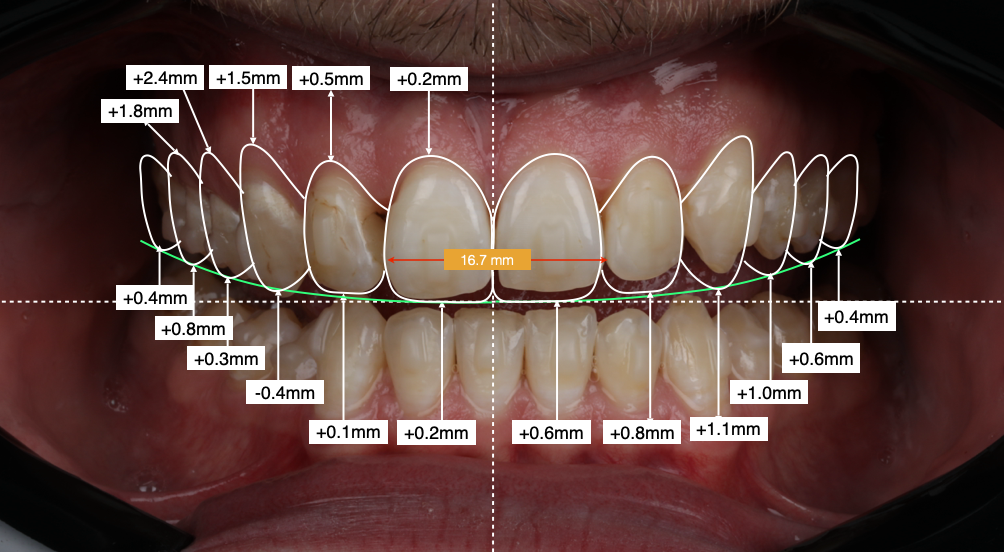
Pre-Travel Checklist for Italian Patients
A practical, week-by-week list adapted to the specific demands of bone grafting. Not exhaustive, your CRM manager will personalise it.
8 Weeks Before Travel
- [ ] Submit CBCT or panoramic X-ray for remote three-specialist pre-screening (or book one in Italy)
- [ ] Complete medical history form, including current medication list and allergies
- [ ] Confirm fitness-to-travel with your Italian GP, written clearance preferred
- [ ] If on antiresorptive medication (bisphosphonates, denosumab), obtain a written medication review letter from the prescribing physician
- [ ] If diabetic, confirm HbA1c within the last 3 months; aim for under 7.0 percent
- [ ] If over 60 or at osteoporosis risk, consider a DEXA scan and vitamin D level as background
- [ ] Begin smoking cessation if applicable, 4 week minimum before surgery
- [ ] Apply for India e-medical visa (allow 5 working days for processing)
- [ ] Book flights, confirm return is no earlier than day 7 of Visit 1 for socket preservation/GBR, day 10 for block graft, day 14 for vertical augmentation with titanium mesh
- [ ] Notify your private health insurer of planned overseas treatment
4 Weeks Before Travel
- [ ] Confirm hotel booking through our partner network
- [ ] Arrange travel insurance with international medical coverage and treatment-interruption protection
- [ ] Pre-pay the surgical deposit per the booking schedule
- [ ] Confirm companion travel arrangements (strongly recommended for Visit 1 on vertical augmentation cases)
- [ ] Refill any regular prescriptions for the trip duration
- [ ] Book the GP visit closest to departure for any final clearance documentation
- [ ] Begin vitamin D supplementation if indicated (1000 to 2000 IU daily)
- [ ] Confirm adequate protein intake is planned for the recovery period
1 Week Before Travel
- [ ] Confirm airport pickup with CRM manager
- [ ] Pack soft foods/protein supplements for first 3 to 5 days post-surgery (some are easier to bring from Italy)
- [ ] Pack any existing night guard
- [ ] Print your treatment plan, consent summary, warranty terms, and emergency contact card
- [ ] Notify your bank of international travel
- [ ] Confirm SIM/eSIM for India, a working phone is safety-critical
- [ ] Stop any prescribed anticoagulants per the protocol your GP and our team have agreed
Day Before Departure
- [ ] Light meals only if you have reflux concerns
- [ ] Pack medications in carry-on, not checked luggage
- [ ] Confirm pickup time, hotel address, and CRM manager phone in your phone
- [ ] Final check on insurance coverage, visa, and passport expiry
At Stunning Dentistry
Our bone graft pre-travel checklist is not a generic template. Each item has been refined across hundreds of Italian and UK patients over a decade. The bisphosphonate clearance letter exists because a 2019 patient arrived from Naples on long-term zoledronic acid and we had to delay her surgery by three weeks to obtain the medical review. The HbA1c requirement exists because a 2021 patient experienced delayed graft integration that we traced back to undiagnosed elevated blood glucose. Every item is earned by someone arriving unprepared once.
Ready to discuss your options?
Your Time in India, Week-by-Week Schedule
A real schedule for a real trip, based on bone grafting patients we treat regularly.
Visit 1, Grafting and Early Healing (Socket Preservation or GBR, 7 Days)
Visit 1, Grafting (Block Graft or Vertical Augmentation, 10 to 14 Days)
Between Visits, At Home in Italy (4 to 9 months)
- Weekly hygiene photo upload to clinical portal during month 1
- Bi-weekly Zoom check-in with your assigned prosthodontist for the first 8 weeks
- Monthly Zoom check-ins thereafter
- Month 3 check-in with local Italian hygienist if recommended (referral letter provided)
- Month 4, 6, or 9 CBCT in Italy (uploaded to our clinical portal), cost of the CBCT is covered by our patient fund
- Direct CRM access for any concern, response within 4 hours business, 24 hours overnight
Visit 2, Implant Placement (7 Days)
Visit 3, Restoration (7 Days)
At Stunning Dentistry
The schedule above is the one we run, not the one we market. Surgery on day 4 of Visit 1 is deliberate. The first three days are for diagnostics and clinical settling so we never operate on a jet-lagged patient. The middle days are for recovery under our observation, which is the only time we can catch an early complication before it becomes a crisis. The final days are for discharge education, so patients leave India with both physical healing and a full understanding of what to do at home. By design, not by marketing.
| Day | What Happens |
|---|---|
| Day 1 | Arrival, hotel, rest |
| Day 2 | CBCT review confirming graft maturation, implant planning refinement |
| Day 3 | Surgery day: implant placement with CBCT-guided approach; mesh removal where applicable |
| Day 4 | Day 1 post-op review |
| Day 5 | Rest day |
| Day 6 | Day 3 post-op review, discharge plan |
| Day 7 | Departure |
Curious about costs and timelines?
Back in Italy, Your Follow-Up Plan
The work is not finished when you board the return flight. Long-term success in grafting is built across the healing months and the years that follow. Here is exactly how we maintain clinical oversight from across the ocean.
The Healing Window, Months 1 to 9
After Implant Placement and Restoration, Year 1 and Onwards
- Month 1 post-implant: Zoom consultation, healing assessment
- Month 3 post-implant: Zoom consultation, prosthetic restoration booking
- Month 6 post-restoration: Zoom consultation, radiograph upload from an Italian clinic (cost covered by us)
- Year 1: first annual review, comprehensive Zoom consultation, clinical photo review, hygiene reinforcement
- Year 2 onwards: annual remote review by Zoom; annual in-Italy hygienist visit; optional in-person review at Stunning Dentistry every 2 to 3 years
- For bone-turnover-monitoring patients (history of osteoporosis or antiresorptive medication): partner GP arranges annual bone-turnover markers and shares with our clinical record
What "Remote" Actually Means
At Stunning Dentistry
Follow-up is not a courtesy. It is part of the treatment. Year-one Zoom reviews are booked into the same clinical calendar as the surgeon's in-person cases. The patient who has a bone graft with us in April is on our registry with scheduled review dates through the following year before boarding the flight home. A grafting patient is an ongoing clinical responsibility until the final prosthesis passes its first annual audit, nine months after it was seated.
| Timepoint | What Happens | Where |
|---|---|---|
| Week 1 home | Zoom check-in, hygiene photo review, swelling assessment | Remote |
| Week 4 | Zoom consultation, photograph review, early healing milestones | Remote |
| Month 2 | Zoom consultation, palpation guidance, dietary and hygiene review | Remote |
| Month 4 | CBCT upload (socket preservation) or Zoom photograph review; hygienist visit in Italy if recommended | Remote + local |
| Month 6 | CBCT upload (GBR and some block cases), direct prosthodontist review, decision on implant date | Remote |
| Month 9 | CBCT upload (block graft and vertical augmentation cases), final maturation assessment, implant-placement booking confirmed | Remote |
Want a personalised treatment plan?
If Something Goes Wrong After You're Home
We will be honest: no bone graft is risk-free, and you are 8,000 km from the clinic. Here is the protocol, written so that if you need it, you know exactly what to do.
Step 1, Contact Your CRM Manager Immediately
- Single point of contact, 24/7/365
- Phone, email, or WhatsApp
- Average response time: under 30 minutes during business hours, under 4 hours overnight
Step 2, Triage Within 24 Hours
- Same-day Zoom consultation with your surgeon or prosthodontist
- Photo and intraoral video review
- Initial assessment: routine, urgent, or emergency
Step 3, Escalation Pathway
- Routine issues (mild soreness, minor hygiene concern): managed remotely, addressed at next planned visit
- Urgent issues (persistent pain beyond day 4, early membrane exposure, suspected infection, graft dehiscence): referral to a vetted Italian dentist or partner specialist for in-person assessment within 48 hours, with all clinical records shared and the visit reimbursable under warranty terms
- Emergencies (acute infection, significant graft loss, suspected MRONJ, fever with oral pain): immediate in-person assessment in Italy, followed by expedited return travel to Stunning Dentistry for definitive management where indicated, flights and accommodation supported per the warranty schedule
Specific Red Flags for Bone Graft Patients
- Increasing pain or swelling after day 3 rather than decreasing
- Visible membrane exposure at any point in the first 6 weeks
- Purulent discharge from the surgical site
- Persistent metallic taste or foul odour
- Fever above 38 degrees Celsius with oral pain
- Numbness or tingling in the lip or chin that persists beyond 4 weeks (following symphysis harvest)
- Graft site feels soft or shifted on palpation
- In titanium-mesh cases: visible mesh perforation through the gum
Warranty Coverage in Plain Language
- Graft materials: documented coverage against failure to integrate, when pre-operative consent criteria are met, under the specific terms of the written warranty
- Subsequent implants: lifetime warranty against failure to integrate or premature loss (excluding wilful neglect or trauma)
- Prosthesis: documented warranty period covering material defects and structural failure
- Revision travel: where a salvage procedure requires a return to India under the warranty terms, flight and accommodation contribution is specified in the warranty schedule
- Documentation: every patient receives a written warranty document at consent and at final prosthesis delivery, no verbal promises, no fine-print surprises
At Stunning Dentistry
Every component of the emergency protocol above exists because across the last decade we have needed it. The Italian-dentist referral network was built case by case. The flight-supported revision clause was added after a 2020 Turin case of membrane exposure that required early return travel. The specific CBCT-upload-from-Italy protocol was added after a 2022 Naples patient who could not fly back within the window and needed remote assessment of a healing concern. Written by experience, not marketing.
Questions about this procedure?
Your Dental Tourism Safety Framework, Red Flags to Reject
If you are travelling for bone grafting, whether to us or to anyone else, these are the warnings to take seriously. We would rather you trust the framework than trust a glossy advertisement.
Reject Any Clinic That:
- Quotes a price without seeing your CBCT or reviewing your full medical history
- Guarantees a specific graft technique before clinical assessment
- Refuses to name the graft material brand and membrane they will use
- Cannot provide a lot number or manufacturer batch for the graft material used
- Does not review CBCT at a pre-surgical planning meeting where you are present (in person or remote)
- Obtains no specific informed consent regarding any BMP use, allograft use, or xenograft use
- Has no graft-material traceability documentation on file
- Has no published or accessible warranty terms in writing
- Pressures you to commit on the day of inquiry or offers a "today-only" discount
- Cannot name the specific surgeon who will perform your grafting
- Has no in-house CBCT, no in-house CAD/CAM, no in-house lab, and outsources everything
- Does not have a structured remote follow-up protocol for international patients
- Has no recourse pathway if the graft fails after you return home
- Does not ask about bisphosphonate or antiresorptive medication history
- Does not provide a detailed medical clearance checklist before scheduling
- Has no independent reviews and no transparent complications data
What a Safe Clinic Looks Like:
- Specialist-led care (named periodontist or OMFS, coordinated with named implantologist and named prosthodontist)
- Internationally certified graft materials from AATB-accredited tissue banks, TGA-equivalent regulated manufacturers
- Hospital-grade sterilisation
- Published clinical outcomes and internal audit data
- Written, specific informed consent for the specific materials being used
- Detailed pre-operative medical screening including antiresorptive-medication review
- Structured post-operative monitoring calendar
- Transparent itemised pricing
- A real, contactable post-operative support system in Australia
- Willingness to tell you when grafting is not the right fit for you
At Stunning Dentistry
The safety framework is drafted with the same criteria we would want a loved one to apply. We are equally comfortable being rejected on our own test. Transparency over persuasion. We would rather a patient fly to a different clinic and have an excellent outcome than fly to us because they felt pressured. If we are the right clinic for your grafting case, the framework will confirm that. If we are not, the framework will tell you that too.
Ready to discuss your options?
Italian Patient Stories, Real Journeys, Real Outcomes
The patient experiences referenced here are paraphrased from consented patient testimony. Names and locations have been generalised for privacy. Clinical outcomes are accurate.
Jenny, 54, Newcastle
Brian, 66, Naples
Maree, 43, Turin
Total Italian out-of-pocket for Maree: EUR 8,900 across two visits. Turin quote: EUR 18,500.
We do not publish patient stories as marketing, we publish them because Italian readers asked us to. Every story above is consented, fact-checked against the clinical record, and edited only to protect privacy. We are happy to put new prospective patients in direct touch with previous Italian patients (with their explicit permission) at the consultation stage.
At Stunning Dentistry
The three profiles above reflect the three most common bone graft journeys Italian patients make to us: a sinus lift for posterior reconstruction, a redirect from grafting to an alternative protocol when the alternative is clinically superior, and a contour GBR in the aesthetic zone. Outcomes are typical, not exceptional. We have treated more than 180 Italian patients for reconstructive implant cases since the start of 2022. The path is mapped.
Curious about costs and timelines?
Partner Dentists in Italy, Our Network Roadmap
Honesty first: as of April 2026, our in-Italy partner network is in active expansion. We do not pretend to have a clinic on every corner. Here is exactly where we stand and where we are going.
What Is Live Today
- Remote follow-up: 24/7 CRM, structured Zoom protocol, prosthodontist-led photograph and radiograph review, operational now for every Italian grafting patient
- Italian hygienist roster: vetted hygienists in Rome, Milan, Turin, Naples, Florence, and Gold Coast who provide local maintenance visits with full clinical records sharing
- Italian CBCT partners: radiology clinics in each capital city that can perform the 4-month, 6-month, or 9-month healing CBCT locally, with the cost covered under our patient fund and the scan uploaded directly to our portal
- Emergency referral pathway: confirmed referral relationships with select Italian periodontists and OMFS specialists for urgent in-person assessment under our warranty terms
What Is Building Through 2026
- Formal partner-clinic agreements in Rome, Milan, Turin, and Naples, clinics where in-person review, CBCT, and routine maintenance can happen as part of an integrated pathway
- Annual in-Italy clinical day visits by a Stunning Dentistry periodontist and prosthodontist, on a rotating basis, for patient reviews and prospective consultations
- A published partner-clinic directory with credentials, scope of supported services, and patient feedback
- Partner GP arrangements for bone-turnover markers and antiresorptive-medication co-management
What This Means for You
- Full-quality clinical care during your visits
- A structured remote follow-up that works across the 6 to 9 month healing window
- A defined emergency pathway in Italy if something goes wrong
- A network roadmap that expands the in-person Italian touchpoints throughout the year you are under our care
We will not oversell what does not yet exist. The remote follow-up is excellent. The in-Italy hygienist and CBCT network is live. The in-person Italian surgical footprint is building. All are true on the day you book and all will be stronger six months later.
At Stunning Dentistry
The deliberate decision not to fabricate Italian "presence" we do not yet hold is a core part of how we present ourselves. Plenty of dental-tourism operators list partner clinics in Italy that turn out to be a phone-forwarding number. We would rather under-promise and outperform. The honest state of the network today is published above. The honest state six months from now will replace it then.
Want a personalised treatment plan?
Clinics Near You, Which Stunning Dentistry Location Fits Your Trip
Stunning Dentistry operates from India's largest dental hospital footprint, with multiple locations equipped for reconstructive implant surgery. The right destination for your bone grafting trip depends on your origin city in Italy, your flight preference, and your complexity profile.
Our Surgical-Capable Locations for Bone Grafting Cases
What Is the Same Across Every Location
- Specialist-led periodontal and OMFS team under Dr. Priyank Sethi's clinical oversight
- Identical CBCT, intraoral scanning, CAD/CAM, and 3D printing infrastructure
- Same graft material suppliers (Geistlich Bio-Oss, Bio-Gide, Cytoplast, AATB-accredited allograft)
- Same lifetime warranty on subsequent implants
- Same 24/7 CRM support pathway
- Same pre-op, intra-op, and post-op grafting protocols
What Differs
- Volume of international patient programs (Hyderabad runs the largest by volume)
- Adjacent travel and recovery options (city character, hotel options, post-op tourism opportunities)
- Direct vs one-stop flight options from your origin Italian city
How We Help You Choose
At Stunning Dentistry
One clinical governance framework, one SOP library, one warranty, one accountability chain. Graft material brand, membrane selection matrix, periodontist and OMFS pairing, and post-operative pathway are identical across Hyderabad, Delhi, Mumbai, and Bangalore. Uniformity is a deliberate engineering choice, not an accident of scale. A grafting case that begins in Hyderabad can have its Visit 2 implant phase in Delhi if a patient's travel plans require, same protocol, same record, same warranty.
| Location | Access from Italy | Suited For |
|---|---|---|
| Hyderabad, Flagship Hospital | Direct/1-stop from Rome, Milan, Turin, Naples via Singapore/KL | Complex cases, vertical augmentation, full-arch reconstruction, zygomatic redirects, fullest international patient infrastructure |
| Delhi NCR | Direct/1-stop from major Italian capitals | Patients combining treatment with North India travel; complex cases |
| Mumbai | 1-stop from major Italian capitals | Patients combining treatment with Mumbai or West India travel |
| Bangalore | 1-stop from Rome, Milan | Patients with family or connections in South India |
Questions about this procedure?
Clinical References
This article references peer-reviewed research from:
- Avila-Ortiz G, Elangovan S, Kramer KW, Blanchette D, Dawson DV. Effect of alveolar ridge preservation after tooth extraction: a systematic review and meta-analysis. *Journal of Dental Research*. 2014;93(10):950-958. DOI: 10.1177/0022034514541127
- Esposito M, Grusovin MG, Felice P, Karatzopoulos G, Worthington HV, Coulthard P. Interventions for replacing missing teeth: horizontal and vertical bone augmentation techniques for dental implant treatment. *Cochrane Database of Systematic Reviews*. 2009;(4):CD003607. DOI: 10.1002/14651858.CD003607.pub4
- Aghaloo TL, Moy PK. Which hard tissue augmentation techniques are the most successful in furnishing bony support for implant placement? *International Journal of Oral and Maxillofacial Implants*. 2007;22(Suppl):49-70. PMID: 18437791
- Troeltzsch M, Troeltzsch M, Kauffmann P, Gruber R, Brockmeyer P, Moser N, Rau A, Schliephake H. Clinical efficacy of grafting materials in alveolar ridge augmentation: a systematic review. *Journal of Cranio-Maxillofacial Surgery*. 2016;44(10):1618-1629. DOI: 10.1016/j.jcms.2016.07.028
- Pommer B, Tepper G, Gahleitner A, Zechner W, Watzek G. New safety margins for chin bone harvesting based on the course of the mandibular incisive canal in CT. *Clinical Oral Implants Research*. 2011;22(12):1322-1327. DOI: 10.1111/j.1600-0501.2010.02124.x
- Retzepi M, Donos N. Guided bone regeneration: biological principle and therapeutic applications. *Clinical Oral Implants Research*. 2010;21(6):567-576. DOI: 10.1111/j.1600-0501.2010.01922.x
- Buser D, Dula K, Belser U, Hirt HP, Berthold H. Localized ridge augmentation using guided bone regeneration. I. Surgical procedure in the maxilla. *International Journal of Periodontics and Restorative Dentistry*. 1993;13(1):29-45. PMID: 8390212
- Lekovic V, Camargo PM, Klokkevold PR, Weinlaender M, Kenney EB, Dimitrijevic B, Nedic M. Preservation of alveolar bone in extraction sockets using bioabsorbable membranes. *Journal of Periodontology*. 1997;68(6):563-570. DOI: 10.1902/jop.1997.68.6.563
- Misch CM. Comparison of intraoral donor sites for onlay grafting prior to implant placement. *International Journal of Oral and Maxillofacial Implants*. 1997;12(6):767-776. PMID: 9425756
- Jensen SS, Terheyden H. Bone augmentation procedures in localized defects in the alveolar ridge: clinical results with different bone grafts and bone-substitute materials. *International Journal of Oral and Maxillofacial Implants*. 2009;24(Suppl):218-236. PMID: 19885447
- Seibert JS. Reconstruction of deformed, partially edentulous ridges using full thickness onlay grafts. *Compendium of Continuing Education in Dentistry*. 1983;4(5):437-453. PMID: 6578906
- Cawood JI, Howell RA. A classification of the edentulous jaws. *International Journal of Oral and Maxillofacial Surgery*. 1988;17(4):232-236. DOI: 10.1016/s0901-5027(88)80047-x
- Boyne PJ, James RA. Grafting of the maxillary sinus floor with autogenous marrow and bone. *Journal of Oral Surgery*. 1980;38(8):613-616. PMID: 6993637
- Khoury F, Hanser T. Mandibular bone block harvesting from the retromolar region: a 10-year prospective clinical study. *International Journal of Oral and Maxillofacial Implants*. 2015;30(3):688-697. DOI: 10.11607/jomi.4117
- Choukroun J, Diss A, Simonpieri A, Girard MO, Schoeffler C, Dohan SL, Dohan AJ, Mouhyi J, Dohan DM. Platelet-rich fibrin (PRF): a second-generation platelet concentrate. Part IV: clinical effects on tissue healing. *Oral Surgery, Oral Medicine, Oral Pathology, Oral Radiology, and Endodontology*. 2006;101(3):e56-e60. DOI: 10.1016/j.tripleo.2005.07.011
- Maló P, Rangert B, Nobre M. "All-on-Four" immediate-function concept with Brånemark System implants for completely edentulous mandibles: a retrospective clinical study. *Clinical Implant Dentistry and Related Research*. 2003;5(Suppl 1):2-9. DOI: 10.1111/j.1708-8208.2003.tb00010.x
- Esposito M, Felice P, Worthington HV. Interventions for replacing missing teeth: augmentation procedures of the maxillary sinus. *Cochrane Database of Systematic Reviews*. 2014;(5):CD008397. DOI: 10.1002/14651858.CD008397.pub2
- Wang HL, Al-Shammari K. HVC ridge deficiency classification: a therapeutically oriented classification. *International Journal of Periodontics and Restorative Dentistry*. 2002;22(4):335-343. PMID: 12212676
Ready to discuss your options?
Specialist-only treatment planning
- Remote file review before travel
- Evidence-led treatment checkpoints
No waiting list for eligible cases
- Remote file review before travel
- Evidence-led treatment checkpoints
Trip coordinated with care timeline
- Remote file review before travel
- Evidence-led treatment checkpoints
Our Partners





Why Us
Frequently Asked Questions
What is the difference between osteoconduction, osteoinduction, and osteogenesis, and why does it matter for my graft?
Osteoconduction is passive scaffolding, the graft material provides a physical structure along which your own bone-forming cells migrate. Osteoinduction is active biological signalling, molecules in the graft recruit and differentiate stem cells into bone-forming cells. Osteogenesis is living bone, the graft itself contains bone-forming cells. Xenografts (Bio-Oss) are primarily osteoconductive. DFDBA allografts add mild osteoinduction. Autogenous bone adds full osteogenesis. Your graft is selected to match the biological demand of your specific defect, a small contained defect needs only conduction, while a large vertical defect benefits from combining conduction with osteogenesis.
How do I know if my surgeon is experienced enough to do vertical augmentation?
Vertical augmentation is the most technique-sensitive reconstructive procedure in implant dentistry. Ask how many vertical augmentation cases the surgeon has personally completed in the last 12 months, the specific techniques they offer (titanium mesh, Khoury bone shell, bone ring), and their personal complication rate. A competent vertical augmentation surgeon should complete at least 20 to 30 vertical cases per year, name their technique specifically, and be comfortable sharing the complication data. Vague or defensive answers are a flag.
What brand of graft material will be used, and can I choose?
At Stunning Dentistry, our default materials are Geistlich Bio-Oss for xenograft, Geistlich Bio-Gide for resorbable membrane, Cytoplast TXT-200 for non-resorbable membrane, and FDBA from an AATB-accredited tissue bank for allograft. Autogenous is harvested from your ramus or symphysis depending on volume needed. Within these materials, the specific choice is clinical, we select based on defect type, not patient preference. If you have a specific concern about a material class (e.g., you wish to avoid xenograft on religious or philosophical grounds), this is discussed openly at consultation and an alternative is planned.
Can I combine bone grafting with other procedures during the same visit?
Yes, depending on the case, bone grafting can be combined with extractions, implant placement (simultaneous), soft tissue grafting, sinus lift, and occasionally orthognathic procedures. Combining reduces the total number of surgical events at a cost of longer single-session operative time and more complex post-operative management. The decision is made on a case-by-case basis during planning.
What is the difference between a socket preservation graft and a ridge augmentation graft?
Socket preservation is performed immediately after an extraction, packing the socket with graft material to maintain the ridge volume during healing. Ridge augmentation is performed on a healed but resorbed ridge, rebuilding volume that has already been lost. Socket preservation is faster, smaller, cheaper, and more predictable. Ridge augmentation is a larger intervention with a longer healing window. Doing socket preservation at the time of extraction often prevents the need for ridge augmentation later.
I have osteoporosis, can I still have a bone graft?
Osteoporosis alone does not contraindicate grafting, but the underlying reason for your osteoporosis matters. If you are on antiresorptive medication (oral bisphosphonates, intravenous bisphosphonates, denosumab), the risk of medication-related osteonecrosis of the jaw (MRONJ) must be assessed. Short-course oral bisphosphonates (under 3 years) are generally compatible with grafting. Intravenous bisphosphonates and denosumab require specific medical review and may contraindicate elective grafting. We always request a current medication list and coordinate with your prescribing doctor before scheduling.
What happens if my graft becomes infected?
Infection rates for bone grafting are 2 to 5 percent. Early recognition is critical. Signs include worsening pain after day 3, persistent or increasing swelling, purulent discharge, bad taste, or fever. Treatment usually involves an extended antibiotic course (amoxicillin plus metronidazole or clindamycin if penicillin-allergic), drainage if an abscess has formed, and in severe cases removal of the graft and reassessment after 6 weeks of healing. At Stunning Dentistry we cover infection management under our written warranty including antibiotic cost, follow-up visits, and re-graft planning where applicable.
Can a bone graft be done under general anaesthesia?
Yes, particularly for large cases, iliac crest harvest for full-arch reconstruction, complex vertical augmentations, or patients with severe dental anxiety. Most intraoral grafting is performed under local anaesthesia with optional IV conscious sedation, which is safer and has faster recovery than general anaesthesia. We reserve general anaesthesia for specific clinical indications, documented in the surgical plan.
How much graft material will be needed for my case?
Graft volume is measured in cubic centimetres and is calculated from your CBCT during planning. A socket preservation typically uses 0.25 to 0.5 cc. A GBR for a single dehiscence defect uses 0.5 to 1.0 cc. A horizontal ridge augmentation for a single implant site uses 1.0 to 2.0 cc. A full-arch vertical augmentation may use 5 to 15 cc combined with block autogenous. Your specific volume is in the written treatment plan.
What if the graft integrates partially, do I need a second graft?
Partial integration is common and not always a failure. The 9-month CBCT shows the mature grafted volume. If the volume supports the planned implant position, we proceed with implant placement. If it does not, we re-plan, either with a second smaller graft, a change of implant position, a switch to a shorter or narrower implant, or redirection to a graft-avoidance protocol. The decision is made at month 9, based on CBCT, not on assumption.
Will my face look different after bone grafting?
Small grafts, socket preservation, small GBR, produce no visible external change. Larger grafts that rebuild significant ridge volume produce subtle restoration of lip support and lower-face projection. The external difference is typically 2 to 5 mm of improved projection, noticeable to you and your family but not to most strangers. The facial change becomes more noticeable after the final implant restoration is seated.
How do I know the graft has worked before the implant goes in?
Clinical palpation confirms hardness of the grafted ridge. The 9-month CBCT confirms volume maintenance and shows a Hounsfield-unit density within the expected trabecular range (350 to 700 HU for grafted bone). Soft tissue coverage confirms that the reconstructive envelope has healed appropriately. All three are documented before the implant appointment is confirmed.
See your new smile instantly!
This tool will help you understand potential structural and aesthetic changes before finalizing treatment decisions.