All-on-4: Why Two Trips Guarantee Better Results (Complete Timeline)
- Understanding the two-trip structure helps set realistic expectations for healing, restoration quality, and scheduling.
Learn exactly what happens on each day of your treatment journey.

By International Patient Desk · 8 Mar 2026 · 11 min read
Introduction: The Science Behind the Two-Trip Model
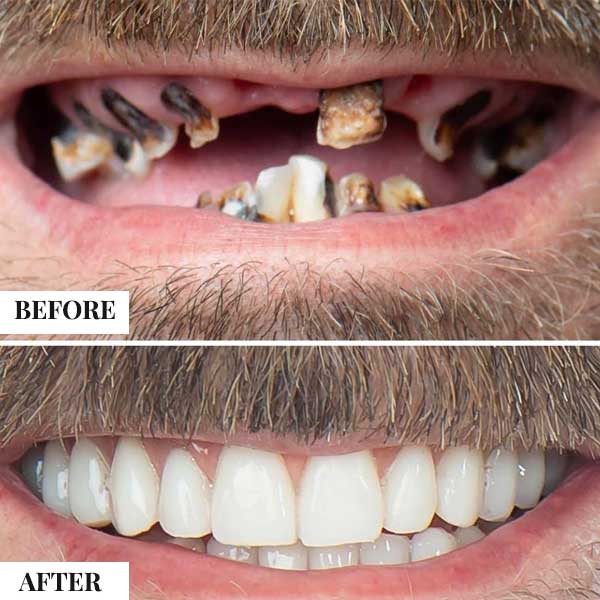
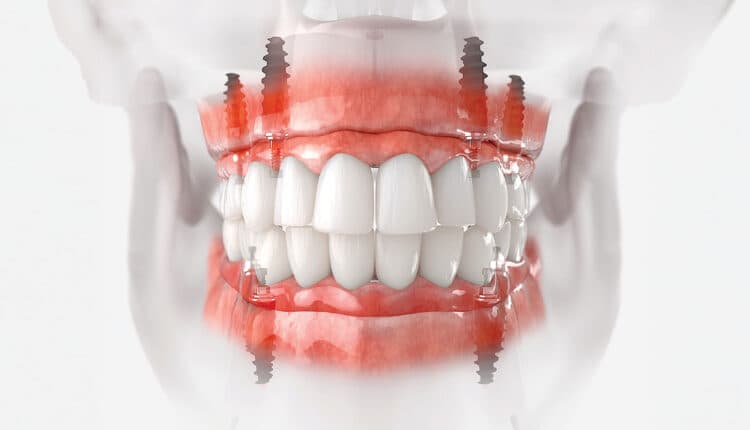
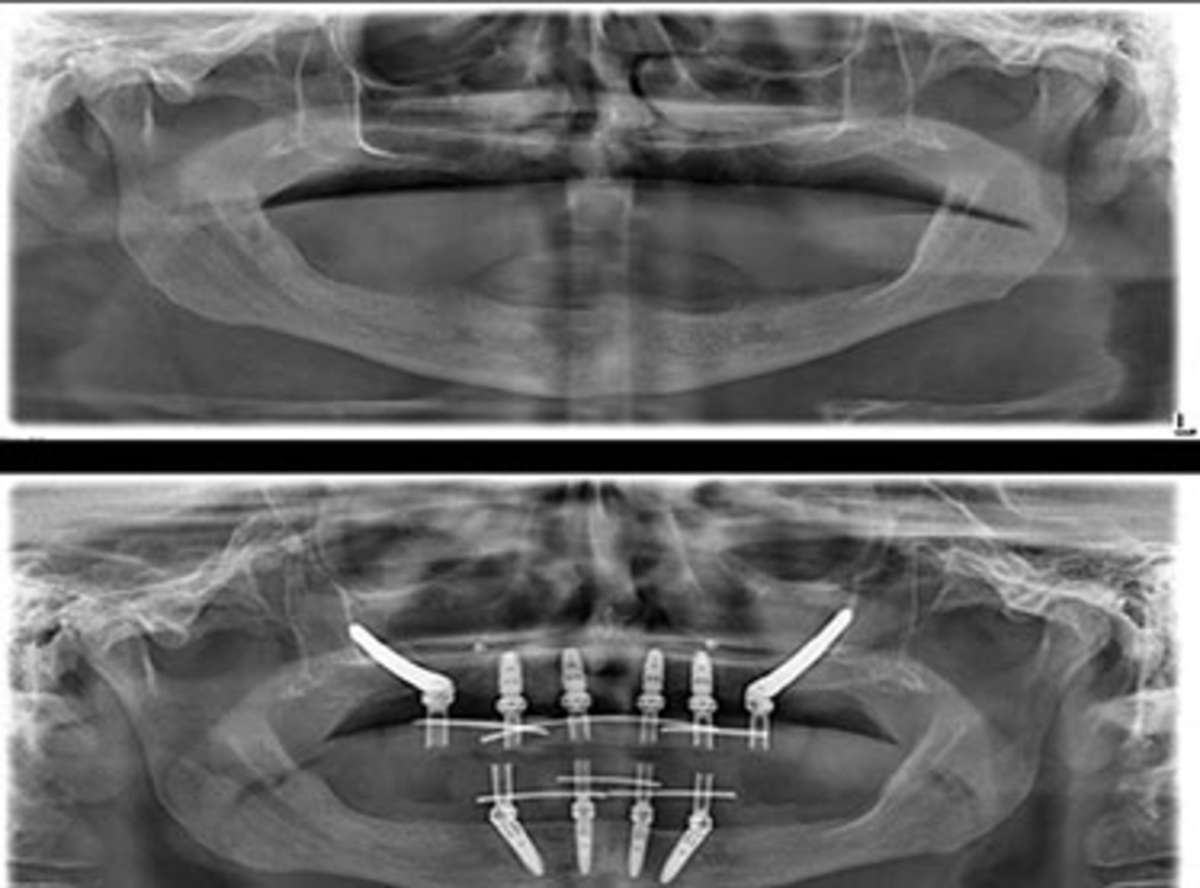
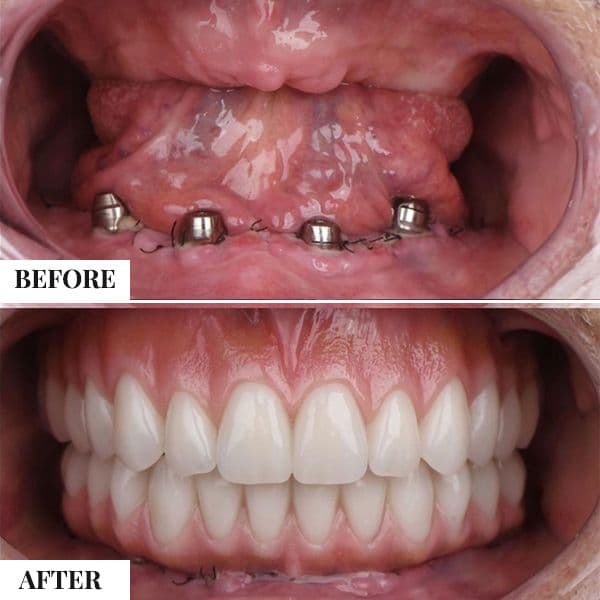
All-on-4 (or All-on-6) is the most advanced solution for full-mouth tooth loss or severely compromised dentition. Four or six implants are strategically placed in the jaw, then topped with a full-arch prosthetic — restoring form, function, and confidence in what appears to be a single procedure.
However, the actual clinical timeline requires two separate trips, separated by 4-6 months of healing. This is not a limitation or an inconvenience. It is engineered into the protocol because rushing osseointegration (the biological fusion of implant to bone) compromises long-term success rates.
Many patients ask: 'Why can't I just do it in one trip?' The answer is grounded in bone biology. Understanding this timeline will eliminate confusion and set realistic expectations for your treatment.
Trip One: Days 1-10 - Diagnostics, Surgery, and Immediate Loading
Your first trip to India is 7-10 days. Here is what happens, day by day.
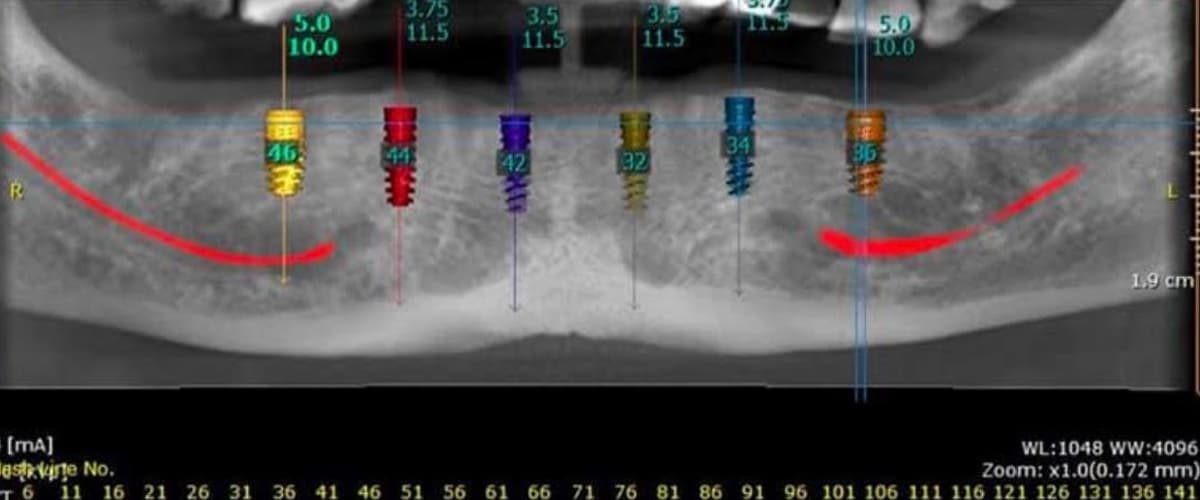
Days 1-2: Arrival, hotel transfer, and comprehensive diagnostics. You meet the surgical team, review your CBCT 3D scans (already completed before arrival), and confirm the surgical plan. Impressions are taken for temporary prosthetic fabrication. Blood work is done to rule out bleeding disorders or infections. You meet the prosthodontist who will design your final restoration.
Day 3: Surgery day. You arrive at the clinic at 6 AM. After final X-ray verification, you are given conscious sedation (twilight anaesthesia — you are comfortable but not fully under general anaesthetic). The surgical team uses guided surgery technology: a 3D-printed surgical template positions implants at exact angles and depths, eliminating guesswork. Four implants (typically in the anterior-to-premolar region) or six implants (for more posterior support) are placed. The procedure takes 60-90 minutes. You are awake enough to answer questions but relaxed and pain-free.
Day 3 afternoon: After surgery, you rest. Swelling and discomfort are managed with prescribed pain medication and ice. Most patients rate surgery day pain as 2-3/10 (minimal). The surgical team provides detailed aftercare instructions and a 24-hour emergency contact number.
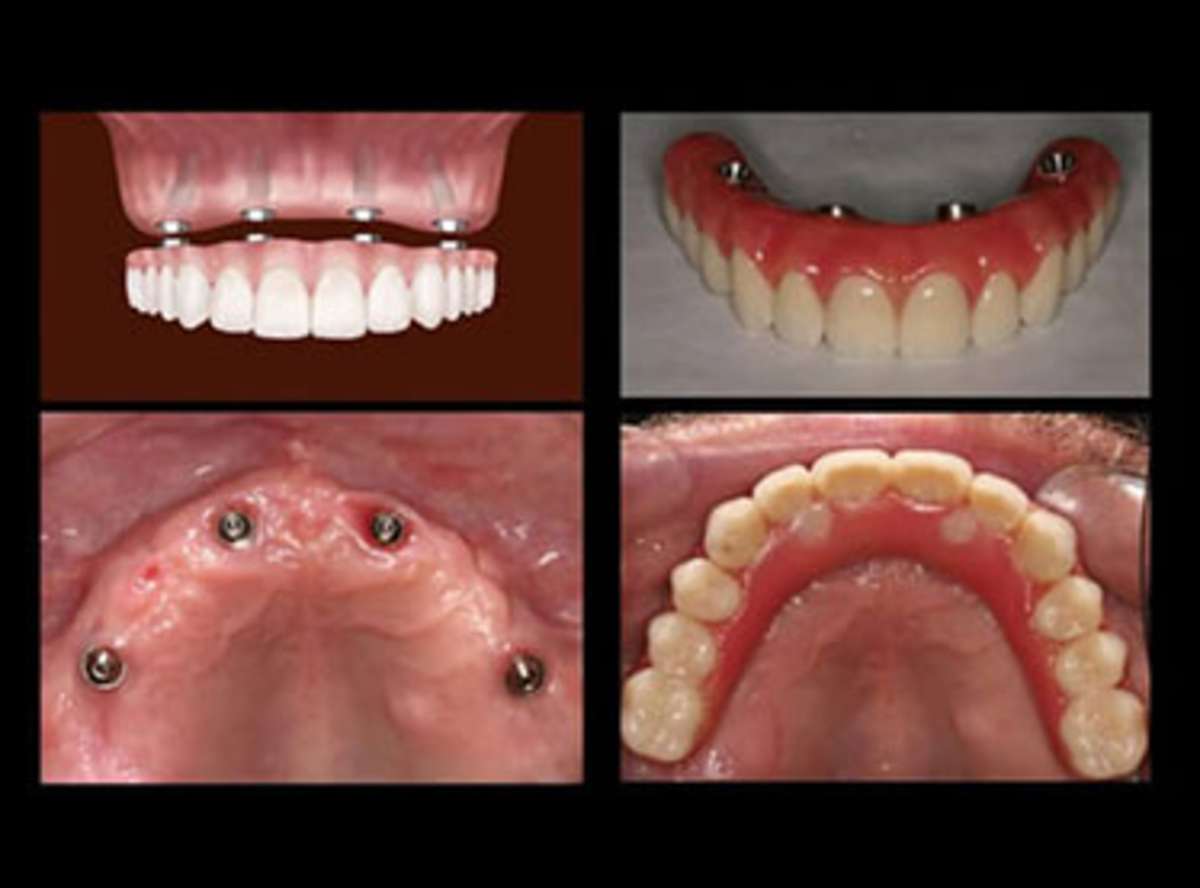
Days 4-5: Immediate loading appointment. This is when All-on-4 becomes special. A temporary full-arch prosthetic (made from your pre-operative impressions) is fitted onto your freshly placed implants. This is called 'immediate loading' — you leave with teeth on the day of surgery (or within 24-48 hours). The temporary restoration is fabricated from composite or acrylic — durable enough for function but designed to be worn for 4-6 months while osseointegration occurs.
The temporary restoration allows you to speak, eat soft foods, and regain confidence immediately. It is not the final prosthetic — it is a bridge to osseointegration. You are instructed to eat soft foods (no chewing on the implant side) and avoid trauma.
Days 6-10: Follow-up appointments. Sutures are checked, swelling is monitored, and bite is confirmed comfortable. By day 7-8, swelling is typically 50% reduced. By day 10, swelling is minimal. You receive your implant passport (documenting implant brand, model, serial number, and position) and discharge instructions for your dentist back home.
The Healing Window: Osseointegration (4-6 Months)
Between your first and second trip, biology takes over. Osseointegration is the fusion of titanium implant to jawbone — a process guided by specific biochemical signals.
Week 1-2 post-op: Clot formation and early bone response. At the implant-bone interface, a blood clot forms, and fibroblasts begin laying down new tissue. Inflammation is expected — this is how your body signals healing. You will have some swelling and discomfort, managed with ice, elevation, and medication.
Week 2-8: Bone remodeling and new bone formation. Osteoblasts (bone-forming cells) migrate to the implant surface and begin synthesizing new bone matrix. This is called the 'integration phase.' The implant becomes progressively more stable — initially it is held by friction alone; by week 8, it is held by 30-50% of final osseous support.
Week 8-16: Progressive integration. Bone continues to densify and mature around the implant. By week 12 (3 months), osseointegration is typically 80-90% complete. Implant stability (measured by resonance frequency analysis or RFA) increases week by week. Clinical studies show that implants loaded immediately (as in All-on-4) have the same long-term success rates (95%+) as implants left unloaded — if the loading forces are properly distributed through the temporary prosthetic.
Months 4-6: Final maturation. The bone around the implant continues to remodel and mature. By month 6, osseointegration is considered complete: the implant is fused to bone as solidly as a natural tooth root.
Your role during this window: avoid heavy chewing on the implant side, maintain immaculate oral hygiene (the temporary prosthetic can harbor biofilm), attend follow-up appointments with your home dentist at months 1 and 3 (to ensure the temporary is stable and comfortable), and report any implant mobility or pain immediately. A stable implant is painless. Pain or mobility requires urgent assessment.
Why Rushing Osseointegration Fails
Some clinics advertise 'same-day implants' or 'one-trip implants' with final prosthetics delivered on surgery day. This sounds appealing but is scientifically risky.
Heavy loading on unintegrated implants triggers a stress response in bone: instead of bone forming, bone resorbs around the implant. Implant failure rates jump from 2-5% (with standard protocol) to 15-25% (with premature heavy loading). A failed implant is not just wasted money — it is lost bone, failed nerve healing, and significant psychological trauma.
The All-on-4 protocol is designed for immediate loading (temporary restoration on day 1) because the load is distributed across four or six implants and is kept light. The temporary restoration has minimal contact at implant ends and more contact at the anterior residual ridges — distributing forces away from the freshly placed implants. This 'passive load distribution' is the key to success.
By month 4-6, osseointegration is complete. Now the final restoration — custom-milled, precisely contoured, with perfect occlusion — can be delivered. At this point, the implants can handle normal chewing forces indefinitely.
Clinics that promise final restorations on day 1 are either fabricating restorations too quickly (compromising precision) or applying inappropriate loading (risking implant failure). Either way, patients pay the price later.
Trip Two: Month 4-6 - Final Prosthetic Design and Delivery
Your second trip is 3-5 days. By now, osseointegration is complete and your implants are ready for their final restoration.
Day 1: Arrival and clinical assessment. You return to the clinic. The surgical team removes the temporary prosthetic and examines the implants: checking for mobility (none should be present), bone health (assessed with X-ray), and gum contours. You undergo a CBCT scan to confirm bone has matured and implant position is stable.
Day 1-2: Prosthetic design and fabrication. Digital scans (intraoral and facial) are used to design your final restoration. Unlike the temporary (which was made before surgery), the final restoration accounts for how your gums have healed and how your bite has settled over 4-6 months. The prosthodontist uses DSD (Digital Smile Design) principles to ensure your final smile is harmonious, proportionate, and functional.
In India's advanced labs (with CAD/CAM and 3D printing), the final restoration is milled from zirconia or layered porcelain within 24-48 hours. Colour, contour, and occlusal surfaces are precisely milled to match the digital design. The restoration is not a guess — it is engineered from your biometric data.
Day 2-3: Try-in and occlusal refinement. The final restoration is placed (not cemented yet, just sitting on the implants). Bite is tested with articulating paper — any high spots are marked and milled away. Shade is confirmed under natural and artificial light. Margins are checked (they should be invisible). You and the prosthodontist review esthetics, function, and comfort. Adjustments are made if needed.
Day 3: Final cementation and delivery. Once approved, the restoration is cleaned, the implant abutments are prepared, and the prosthetic is bonded with surgical-grade cement or screw-retained (depending on design). The restoration becomes part of your mouth. You receive care instructions and your updated implant passport.
Day 4-5: Follow-up review and departure. Bite is confirmed stable, you are taught proper cleaning techniques (a specialized electric toothbrush and water flosser are recommended), and you are given a nightguard if you grind. You depart with your permanent smile.
The Biological Timeline: Why 4-6 Months is Optimal
The interval between trips is not arbitrary. It is based on bone biology studies spanning 30+ years.
Implants placed in low-density bone (common in patients with long-standing tooth loss) require longer integration: 6 months is safer than 4 months. Implants placed in high-density bone can integrate faster: some clinicians use 3-4 months. Most clinics recommend 4-6 months as the sweet spot — long enough to ensure solid osseointegration, short enough to minimize patient inconvenience.
In patients who have had bone grafting (to build up deficient bone), the interval extends to 6-9 months because grafted bone takes longer to consolidate. This is especially relevant in cases of severe bone loss from periodontal disease or long-term edentulism.
Your dentist back home should monitor implant healing with X-rays at months 1 and 3. If integration is progressing well, your visit is scheduled for month 4-5. If integration is slow (visible in X-rays as less bone density around implants), the visit may be delayed to month 6 to ensure complete fusion.
Implant Systems Used: Straumann, Nobel Biocare, Osstem
The implant brand matters because it determines the availability of abutments, replacement parts, and prosthodontic options for decades to come.
India's leading clinics use Straumann (Swiss origin, considered the gold standard), Nobel Biocare (Swedish origin, the original implant company with 50+ years of clinical data), or Osstem (Korean origin, excellent quality with better value). Each brand has slightly different geometry and connection designs, but all three have 95%+ long-term success rates.
Your implant passport documents exactly which brand and model were placed, the abutment type, and the restoration material. This is critical: 20 years from now, if your restoration needs adjustment, the dentist needs to know your exact implant configuration to source compatible parts.
All-on-4 restorations are bridge prosthetics (meaning they span 10-14 teeth per arch) supported by 4 implants. The stress distribution across the arch means individual implant failure is rare — success rates typically exceed 97% at 10-year follow-up when using Straumann or Nobel Biocare.
Managing Time and Logistics Between Trips
For international patients, scheduling two trips requires planning. Here is how to optimize the timeline.
Trip 1 is typically scheduled around your calendar availability — most international patients can take 7-10 days off work. The surgery is done, and you return home with temporary teeth. You can resume work within 1-2 weeks (avoid strenuous activity, keep your head elevated when resting, and follow the soft-food diet for 4 weeks).
Between trips, you attend local follow-up appointments at months 1 and 3. Your home dentist reviews X-rays provided by the Indian clinic and ensures everything is healing well. These appointments are brief (15-30 minutes) and cost minimal.
Trip 2 is scheduled for month 4-5 post-op. Some international patients bundle this with a short holiday — 3 days for prosthetic delivery plus 2-3 days to explore Delhi. Others coordinate with family visiting — having a relative join you in India for family time while you complete treatment.
The clinic's international patient desk handles visa guidance, flight coordination, hotel arrangements, airport transfers, and meal planning. Many patients receive a dedicated CRM (personal account manager) who coordinates all logistics, eliminating stress.
Cost Breakdown Across Two Trips
All-on-4 pricing in India typically ranges $5,000-8,000 per arch for comprehensive treatment (both trips, all implants, temporary and final restorations, guided surgery, and follow-up for 1 year).
Trip 1 cost: $2,500-4,000 (surgery, implants, temporary restoration, initial follow-ups)
Trip 2 cost: $2,500-4,000 (final restoration design, fabrication, and placement)
This compares to $20,000-35,000 per arch in Western countries (US, UK, Australia). Even after adding $3,000-5,000 for round-trip flights, hotel (12 nights across two trips at $100-200/night = $1,200-2,400), and meals, the total cost is $12,000-18,000 vs $20,000-35,000 at home. Patient savings: $5,000-20,000 per arch, or $10,000-40,000 for full-mouth rehabilitation.
Aftercare and Long-Term Stability
An All-on-4 restoration is designed to last 15-25 years with proper care. Long-term stability depends on three factors: implant integration (achieved by month 6), restoration quality (addressed by precision prosthetic design), and patient maintenance.
At home, you maintain your All-on-4 with daily flossing (a water flosser is highly recommended — easier than string floss around implants), electric toothbrushing, and professional cleanings every 6 months. The restoration is fixed (non-removable), so oral hygiene is straightforward — no special removal protocols.
If you grind or clench, a nightguard protects the restoration from fracture stress. Some patients wear a guard even if unaware of grinding — your dentist can assess wear patterns to determine risk.
At 10-15 years, minor adjustments may be needed: polishing to restore lustre, minor occlusal adjustments to account for natural bone resorption, or abutment screw replacement (a 15-minute procedure). These are routine maintenance, not failures.
The implants themselves are for life. Titanium does not decay or wear. A well-integrated implant will remain stable for 30-40+ years. If the final restoration ever needs replacement (due to wear or damage), a new prosthetic is milled and attached to the original implants — no surgery required.
Conclusion: Two Trips for Lifetime Results
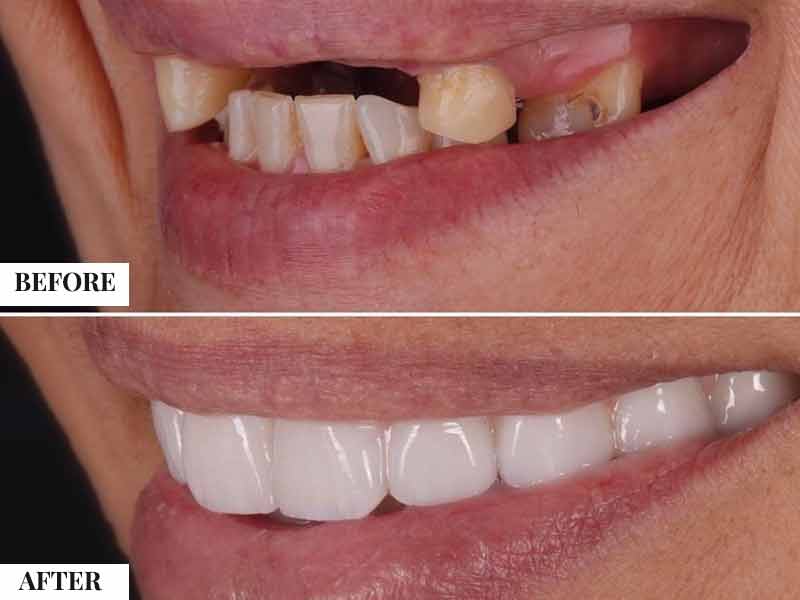
The two-trip All-on-4 protocol is engineered for success. Trip 1 places implants and provides immediate restoration of confidence. The 4-6 month interval allows complete osseointegration. Trip 2 delivers a precision final prosthetic optimized for long-term comfort and esthetics.
This timeline is not a limitation — it is a feature. It reflects decades of implant research showing that patience during healing delivers superior long-term outcomes. Patients who follow the protocol enjoy 15-25 year restoration longevity, high implant success rates (97%+), and significant cost savings compared to treatment at home.
If you are ready to restore your smile with the confidence of knowing exactly what to expect, the All-on-4 protocol is proven, predictable, and worth the two-trip investment.
Specialist-only treatment planning
- Remote file review before travel
- Evidence-led treatment checkpoints
No waiting list for eligible cases
- Remote file review before travel
- Evidence-led treatment checkpoints
Trip coordinated with care timeline
- Remote file review before travel
- Evidence-led treatment checkpoints
Our Partners













Why Us
Frequently Asked Questions
Why do I need two trips for All-on-4 implants?
Osseointegration (bone fusion to implants) takes 4-6 months. Trip 1 places implants and fits temporary teeth. Trip 2 (after healing) delivers your final precision restoration. This timeline is scientifically proven to maximize implant success rates (97%+) and restoration longevity (15-25 years).
What happens on my first trip?
Days 1-2: Diagnostics and CBCT imaging. Day 3: Surgery using guided surgery technology (60-90 minutes). Days 4-5: Immediate loading (temporary teeth fitted). Days 6-10: Follow-up appointments, swelling reduction, discharge planning.
Do I have teeth immediately after surgery?
Yes. On day 3 or 4, a temporary full-arch prosthetic (made before surgery) is fitted onto your implants. This 'immediate loading' is unique to All-on-4 and allows you to speak, eat soft foods, and regain confidence immediately. The temporary bridges to osseointegration.
How long is the healing window between trips?
Typically 4-6 months. This is when osseointegration occurs — bone fuses to implants. During this time, you wear your temporary restoration, avoid heavy chewing on the implant side, and attend follow-up visits with your home dentist at months 1 and 3.
What happens on my second trip?
Days 1-2: Clinical assessment and CBCT confirmation. Days 2-3: Final prosthetic design and fabrication in the clinic's in-house lab (24-48 hours). Days 3-4: Try-in, occlusal refinement, and final cementation. Day 4-5: Aftercare training and departure.
What is immediate loading and is it safe?
Immediate loading means teeth are placed on freshly integrated implants. All-on-4 is designed for immediate loading because stress is distributed across four implants and kept light. Clinical studies show immediate loading has the same 97%+ success rates as traditional delayed loading.
How much does All-on-4 cost in India?
All-on-4 costs $5,000-8,000 per arch in India (both trips, all implants, both restorations, guided surgery, 1-year follow-up) vs $20,000-35,000 per arch in Western countries. Even after flights and hotel, patients save $10,000-40,000.
How long does an All-on-4 restoration last?
Modern All-on-4 restorations last 15-25 years with proper care. Implants themselves last 30-40+ years. If the prosthetic ever needs replacement, a new one is fabricated and attached to the original implants — no surgery required.
What implant brands are used?
Top Indian clinics use Straumann (Swiss, gold standard), Nobel Biocare (Swedish, 50+ years of data), or Osstem (Korean, excellent value). All three have 95%+ success rates. You receive an implant passport documenting your exact brand, model, and serial number.
Can I travel home between trips or stay in India?
You travel home after trip 1. The 4-6 month interval between trips is spent at home, attending local follow-ups at months 1 and 3. Trip 2 is scheduled for month 4-5. Some patients coordinate trip 2 with family holidays or leisure time in Delhi.
Ready to take the next step?
Get your personalised treatment plan
Upload your X-rays and receive a specialist-led assessment within 48 hours - including cost breakdown, treatment timeline, and travel plan. No obligation.
Or call us directly: +91 767 660 2626

“I was quoted £18,000 in London. I paid £3,500 - including flights. The treatment was flawless.”
Robert M. · London
Full Mouth Rehabilitation
Patient Stories
Real Patients. Real Savings.
Every story is verified. Every saving is documented.

“Two Manchester clinics told me I didn't have enough bone. Dr. Sethi used zygomatic implants. One surgery. Same-day teeth.”
Karen T. · Manchester
Zygomatic Implants

“I used my pension to fund the trip. Saved over £12,000. Best decision I've ever made.”
David L. · Birmingham
All-on-4 Both Arches

“My Edinburgh dentist wanted £16,000 for upper and lower. I got the same treatment with Straumann implants for £2,500.”
Linda W. · Edinburgh
Full Arch Zirconia Bridge

“After years of hiding my smile, I finally have teeth I'm proud of. Dr. Sethi and his team changed my life in 8 days.”
Michael S. · Leeds
Smile Design - 20 Veneers

“I'm 67 and was told I'd need bone grafts first. They did zygomatic implants in one visit. Flying home with permanent teeth felt surreal.”
Sarah P. · Bristol
Zygomatic + Fixed Bridge
Clinical Outcomes
Over 150,000 patients seen and counting...
Real patient treatment journeys handled by specialist teams at Stunning Dentistry.


1 / 4Treatment: Porcelain Veneers
Duration: Approx 1 week


1 / 4Treatment: Full Mouth Rehabilitation
Duration: Approx 10 days


1 / 4Treatment: Smile Makeover
Duration: Approx 5 days


1 / 4Treatment: Dental Implants
Duration: Approx 2 weeks
International Recognition
Awarded Best Dental Clinic in India 2023 / 2024
Accredited by
Featured in
Lifetime Warranty
On All Treatments
Price Match
Guaranteed

Excellence Summit Forbes India

Asia Healthcare Award

International Business Award

International Excellence Award